
Rhododendron mollyanum
Rhododendron mollyanum
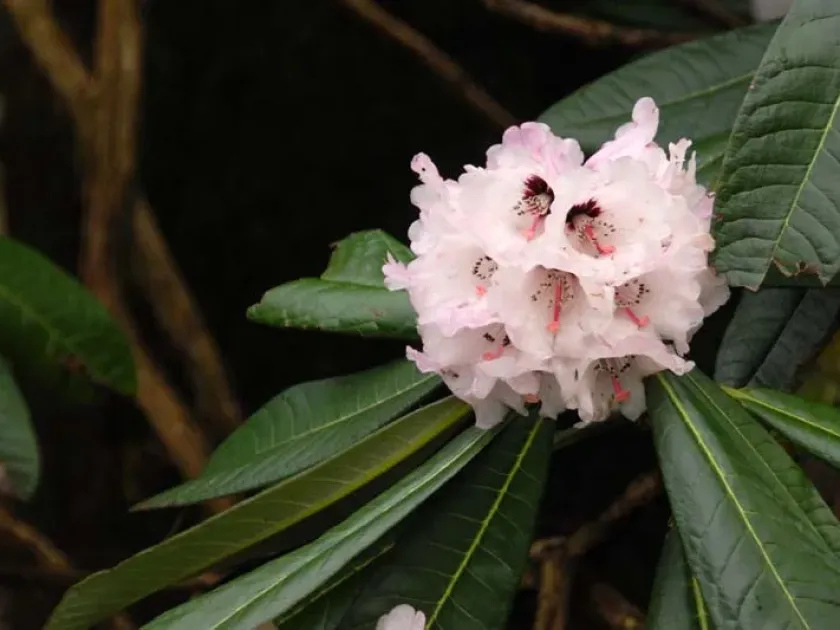
Description
Growing requirements
Rhododendron mollyanum is a distinguished species of evergreen shrub belonging to the Ericaceae family. Originating from the mountainous regions of Southeastern Tibet, it is highly valued for its striking foliage, which features a distinctive indumentum on the underside of the leaves, and its impressive floral displays.
Cultivation of this species requires strict adherence to soil parameters. Being an acid-loving plant, it thrives in soil with a pH between 4.5 and 5.5. A well-draining, organic-rich growing medium, such as a mixture of peat moss, pine bark, and coarse sand, is essential for healthy root development.
Climate conditions are a critical factor for success. The plant prefers cool, humid environments with protection from intense afternoon sun and harsh drying winds. Dappled shade provided by taller canopy trees mimics its natural habitat, protecting it from thermal stress.
Maintenance involves consistent moisture management. The root system of Rhododendron mollyanum is shallow and fibrous, making it highly susceptible to drought. Regular watering and the application of organic mulch help maintain stable soil moisture levels and prevent temperature fluctuations.
Fertilization should be performed carefully using specialized acidic fertilizers designed for ericaceous plants. Over-fertilization can lead to root burn, so it is recommended to apply nutrients sparingly during the early spring growth phase to support vigorous development.
Main diseases and pests
Common pests include rhododendron bugs and various types of scale insects that can cause significant damage to the leaves. Monitoring the foliage, particularly the undersides, is essential for early detection of these sap-sucking insects before they form dense colonies.
Fungal diseases, especially Phytophthora root rot, pose a major threat, particularly in poorly drained soil conditions. Excess moisture around the root zone leads to oxygen deprivation and decay, which can rapidly kill the plant if not addressed immediately with corrective measures.
Powdery mildew may occur in stagnant, humid air, necessitating proper spacing and pruning to ensure adequate air circulation through the canopy. Keeping the foliage dry by avoiding overhead irrigation can significantly reduce the incidence of leaf-spotting fungi.
Nutrient deficiencies, such as iron chlorosis, are common when soil pH is not maintained within the optimal range. This condition manifests as yellowing leaf tissue between the veins and should be treated by soil acidification and the application of chelated iron supplements.
Sanitation is a vital aspect of pest and disease management. Regularly removing dead or diseased branches helps maintain airflow and prevents the buildup of pathogens, ensuring the long-term health and ornamental value of the specimen.