
Rhododendron lutescens
Rhododendron lutescens
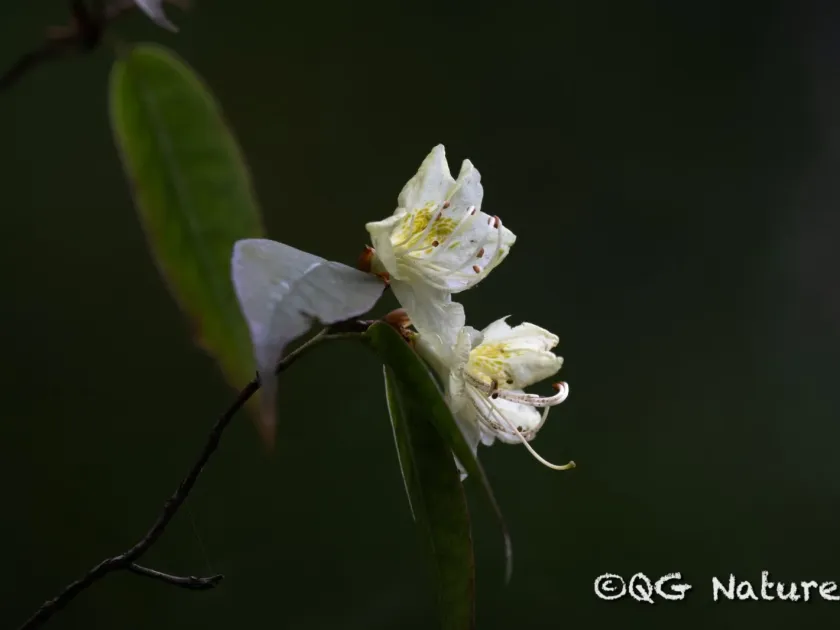
Description
Growing requirements
Rhododendron lutescens is an evergreen or semi-evergreen shrub belonging to the Ericaceae family. Native to the mountainous regions of China, this species is highly valued for its early spring flowering and elegant, arching growth habit.
The cultural success of this plant depends primarily on soil composition. It strictly requires acidic, well-draining, and moisture-retentive soil rich in organic matter. A mixture of peat moss and pine needles creates an ideal substrate for healthy root development.
Climate preferences for Rhododendron lutescens include protection from direct afternoon sun and harsh winds. It performs best in filtered light or partial shade, mimicking the conditions of its natural forest habitat.
Irrigation is critical, as this plant is sensitive to both drought and waterlogging. The water used for irrigation should be low in calcium to prevent the soil pH from rising above the optimal range for the species.
Maintenance involves routine mulching using pine bark or leaf mold. This practice not only retains moisture but also mimics the forest floor environment, supporting the beneficial symbiotic fungi that rhododendron roots rely on.
Main diseases and pests
Phytophthora root rot is the most serious threat to Rhododendron lutescens. It thrives in stagnant, heavy soils and can lead to rapid wilting and the death of the shrub if not managed through proper drainage and soil amendment.
Fungal leaf spots and grey mold (Botrytis) may appear during periods of high humidity and poor air circulation. Proper spacing between plants and regular sanitation pruning are essential cultural control measures.
Pest issues often include the rhododendron bug, which causes stippling on the upper leaf surfaces. Spider mites can also become a problem during hot, dry summer months, leading to leaf discoloration.
Integrated pest management, including the use of systemic insecticides or biological controls, is effective. Early detection of infestation is vital to prevent the spread to adjacent healthy plantings.
Nutrient deficiencies, specifically iron chlorosis, are common when soil pH is too high. Regular testing of the growing medium and application of chelated iron or acidic fertilizers are necessary to keep the foliage deep green and vibrant.