
Rhododendron kyawii
Rhododendron kyawii
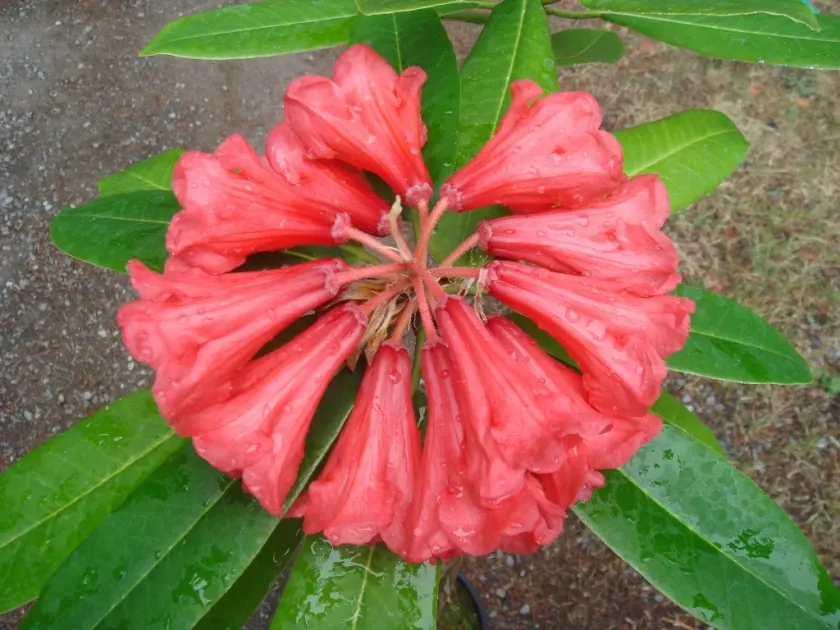
Description
Growing requirements
Rhododendron kyawii is a robust evergreen shrub or small tree belonging to the Ericaceae family. It is recognized for its significant size and striking foliage, making it a valuable species for collectors and landscape enthusiasts in appropriate climates.
Originating from the mountainous regions of Southwest China and Myanmar, this species thrives in high-altitude environments. It prefers habitats that offer consistent moisture, cool temperatures, and protection from extreme temperature fluctuations.
Cultivation success depends heavily on providing acidic, well-draining soil rich in organic matter. Rhododendron kyawii cannot tolerate heavy soils or waterlogging, which often lead to fatal root issues; therefore, proper site preparation with grit or pine bark is essential.
Light requirements for this plant generally involve partial shade. Direct, harsh sunlight, especially in the afternoon, can cause leaf scorch and general decline, while deep shade may significantly reduce the number of blossoms produced annually.
Maintenance practices should focus on mulching with acid-loving plant materials to suppress weeds and maintain soil moisture. Regular monitoring for signs of stress is crucial, as this plant is sensitive to fluctuations in environmental conditions.
Main diseases and pests
Like many rhododendrons, this species is prone to fungal pathogens, particularly Phytophthora, which can cause severe root rot. Maintaining excellent drainage and airflow is the primary defense against these soil-borne threats.
Pests such as rhododendron bugs and spider mites represent significant threats to foliage health. These pests pierce the leaves, leading to chlorosis, stunted growth, and eventually, a reduction in the overall vigor of the plant.
Integrated pest management strategies are highly recommended to control outbreaks. This includes manual removal of infested leaves, applying horticultural oils, or using systemic insecticides when infestation levels exceed the established thresholds.
Fungal infections can often be managed through the application of copper-based or systemic fungicides. However, prevention remains the most effective strategy, achieved through balanced watering and avoiding overcrowding of plant specimens.
Environmental stress, such as extreme heat or drought, can weaken the plant, making it more susceptible to opportunistic diseases. Providing supplemental irrigation during dry spells is essential to keep the plant resilient against various biological threats.