
Hunnewell's rhododendron
Rhododendron hunnewellianum
Description
Growing requirements
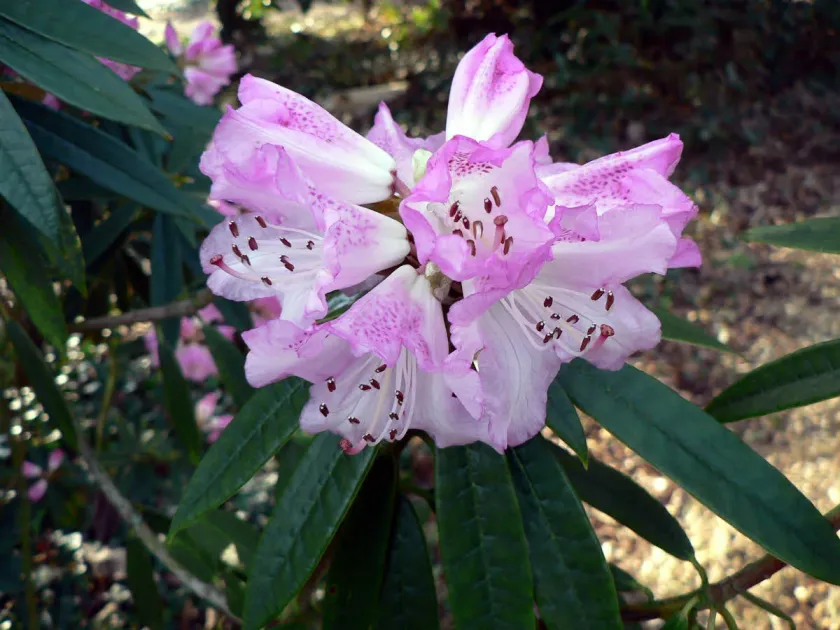
Hunnewell's rhododendron (Rhododendron hunnewellianum) is a distinctive species belonging to the Ericaceae family, native to the mountainous regions of Sichuan, China. It is highly valued in horticulture for its structural elegance and beautiful, patterned inflorescences.
Botanically, this shrub is characterized by its narrow, elongated leaves featuring a dense indumentum on the underside. The plant maintains a slow to moderate growth rate, eventually forming a well-balanced, dense structure that fits perfectly into woodland garden settings.
Successful cultivation requires a well-drained, acidic soil enriched with organic matter. Providing consistent moisture is essential, but it is equally critical to prevent waterlogging, which can lead to severe stress and root health issues in this species.
The plant thrives in cool climates with partial shade protection, as intense direct sunlight can damage its foliage. Mulching with pine needles or acidic peat is a recommended practice to stabilize soil temperature and acidity throughout the growing season.
In terms of usage, it serves as a sophisticated ornamental choice for collectors and landscape designers. It is best showcased in shaded border areas, rock gardens, or as part of a specialized collection of Himalayan or Chinese rhododendron species.
Main diseases and pests
The primary health threats include fungal pathogens such as Phytophthora root rot, which are often triggered by improper drainage. Ensuring a porous and well-aerated soil structure is the most effective preventative measure against these diseases.
Common pests include the rhododendron leafhopper and spider mites, which can cause significant foliar damage. Regular inspection is necessary to catch infestations early, followed by appropriate treatments using horticultural oils or systemic pesticides.