
Houlston's Rhododendron
Rhododendron houlstonii
Description
Growing requirements
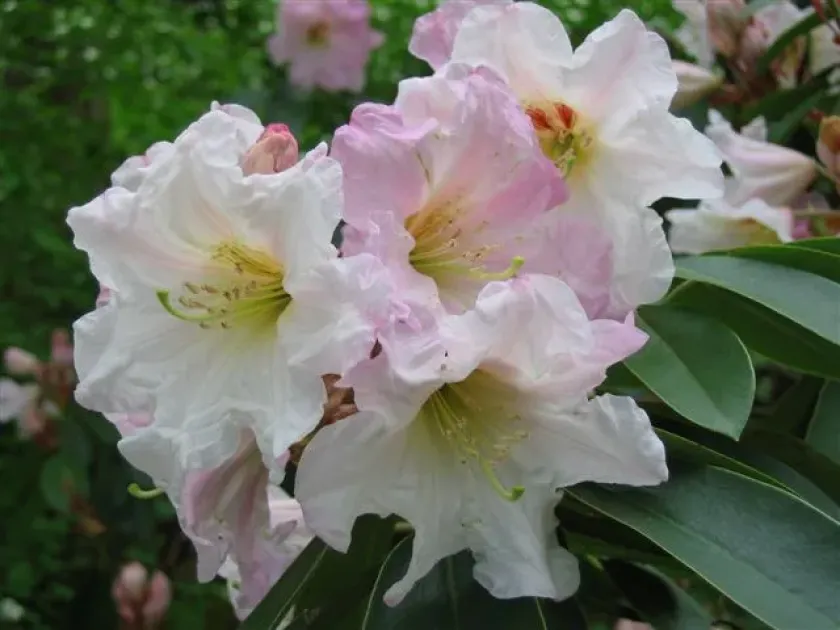
Houlston's Rhododendron (Rhododendron houlstonii) is an ornamental evergreen shrub belonging to the Ericaceae family. Native to the mountainous regions of central China, it is characterized by its large, fragrant, pale pink or white flowers that typically bloom in late spring.
This species requires specific soil conditions to thrive. It must be planted in acidic soil with a pH ranging from 4.5 to 5.5. The planting medium should be rich in organic matter, highly porous, and well-drained to ensure adequate oxygen reaches the shallow root system.
Exposure to light is a critical factor for successful cultivation. While some species tolerate sun, Houlston's Rhododendron performs best in filtered light or dappled shade. Exposure to intense afternoon sun can cause leaf scorch and dehydration, necessitating a location protected by taller trees or shrubs.
Maintenance of soil moisture is essential. Because these plants have fibrous root systems, they do not tolerate drought. Applying a thick layer of pine needles or organic mulch helps retain soil moisture, suppress weeds, and provide the necessary acidity as the mulch decomposes.
Regular irrigation using soft water is recommended. Hard water containing high levels of calcium will quickly alter the soil pH, causing iron chlorosis in the foliage. Keeping the root zone cool and consistently moist is key to long-term health and vigorous blooming.
Main diseases and pests
The primary threats to Rhododendron houlstonii are fungal diseases such as Phytophthora root rot and Botrytis (gray mold). These pathogens thrive in poorly drained soils or environments with stagnant air circulation, making proper site selection and spacing highly important.
Pests such as rhododendron bugs, spider mites, and vine weevils can cause significant damage. Rhodo-bugs feed on the undersides of leaves, causing a stippled, mottled appearance, while spider mites proliferate during hot, dry weather, leading to leaf discoloration and drop.
Management of these threats relies on integrated pest management practices. Early detection is vital; regular inspections of the underside of leaves and the crown area allow for quick intervention before infestations become severe enough to compromise the plant's health.
Chemical control may involve the use of specialized fungicides or horticultural oils. When applying treatments, it is crucial to cover both sides of the leaves, as many pests reside in protected areas underneath the foliage where contact chemicals might otherwise miss them.
Cultural control measures, such as pruning damaged or crossing branches, improve airflow and light penetration, which in turn reduces the humidity levels that fungal spores prefer. Keeping the area free of debris also helps minimize overwintering sites for various pests.