
Rhododendron genestierianum
Rhododendron genestierianum
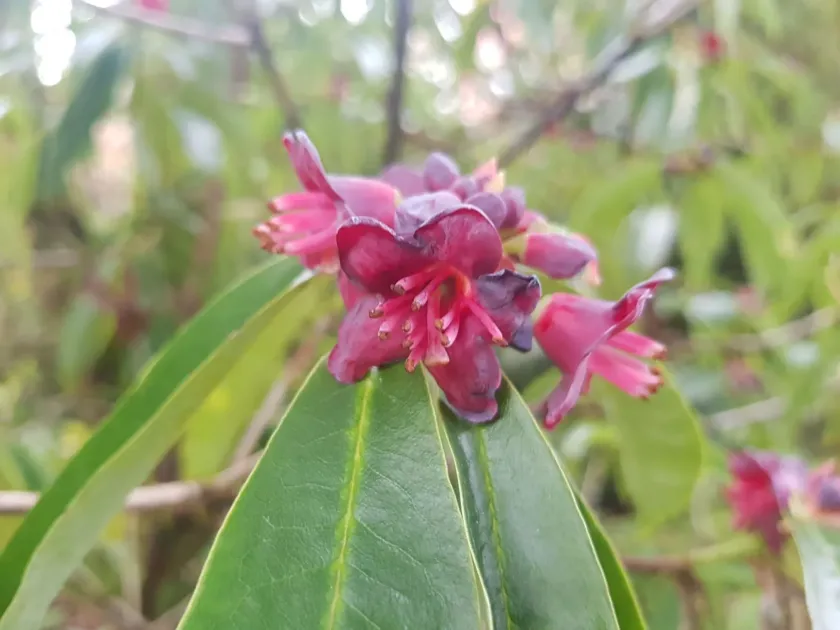
Description
Growing requirements
Rhododendron genestierianum is a remarkable species belonging to the Ericaceae family, native to the mountainous regions of Yunnan, China, and Tibet. This species is highly valued in specialty horticulture for its distinct foliage and unique floral structure.
Successful cultivation depends on replicating its native ecological niche, specifically by providing acidic, humus-rich, and well-draining soil. These plants are calcifuge, meaning they will fail if lime or alkaline components are present in the growing medium.
The shrub thrives in semi-shaded locations where it is protected from intense afternoon sunlight and drying winds. High atmospheric humidity is essential, making it a perfect candidate for sheltered woodland gardens or specialized alpine collections.
Maintenance of the root zone is critical, as rhododendrons possess shallow, fibrous root systems that are highly sensitive to soil compaction and waterlogging. The use of organic mulch, such as pine needles, is recommended to preserve moisture and maintain acidity.
Irrigation should be managed carefully, using rainwater whenever possible to prevent the accumulation of minerals that can raise the pH level of the substrate. Fertilizer applications must be restricted to acid-loving plant formulations applied early in the spring season.
Main diseases and pests
Phytophthora root rot remains the most significant threat to Rhododendron genestierianum, typically triggered by poor drainage or overwatering. Infected plants often show signs of wilting and necrosis, requiring immediate intervention with specific fungicides.
Pests such as the rhododendron bug, aphids, and spider mites can cause significant damage to the leaves by extracting sap. Regular inspections, particularly on the undersides of leaves, are necessary to detect and manage these populations early.
Nutrient deficiencies, particularly iron chlorosis, are common when soil conditions are not properly acidic. This manifests as interveinal yellowing of the leaves, which can be corrected by adjusting the soil pH and adding chelated iron supplements.
Winter hardiness varies, and in colder regions, young plants require protection from freezing temperatures to prevent bark splitting and desiccation. Wrapping with breathable materials is effective during periods of extreme winter cold.
Good cultural practices, including sanitation and providing adequate spacing for airflow, are the best defense against fungal leaf spots and blights. Keeping the area free of debris helps reduce the overwintering population of pathogens.