
Rhododendron cyanocarpum
Rhododendron cyanocarpum
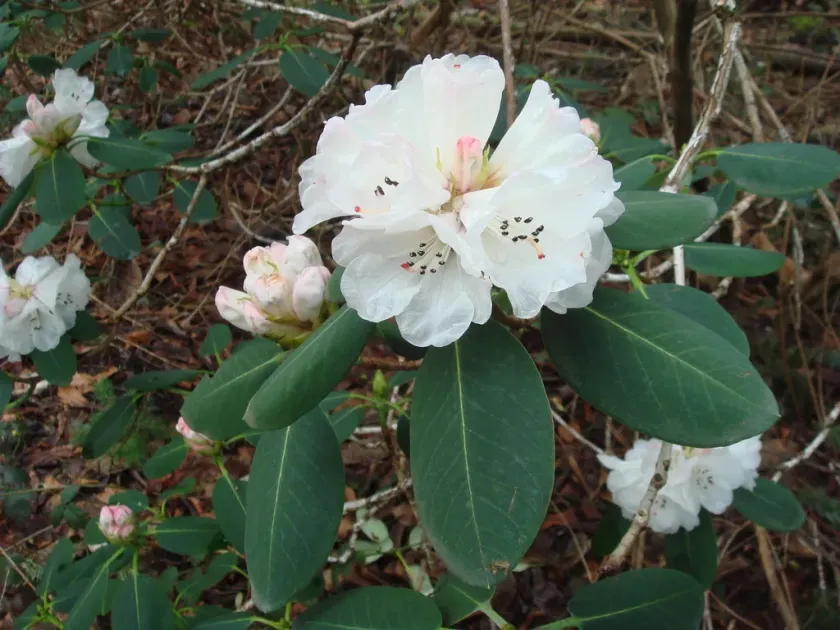
Description
Growing requirements
Rhododendron cyanocarpum is a distinctive evergreen shrub belonging to the Ericaceae family. It is highly regarded by collectors for its unique foliage and the blue-tinged capsules that appear after the flowering season.
Native to the mountainous regions of Yunnan, China, this species thrives in high-altitude environments. It prefers cool, moist conditions with high atmospheric humidity, which is characteristic of its natural habitat in subalpine forests.
Successful cultivation relies on acidic, well-draining soil that is rich in organic matter. A pH level between 4.5 and 5.5 is mandatory to ensure the plant can efficiently absorb essential nutrients from the substrate.
The plant requires a sheltered location with partial shade to protect it from harsh afternoon sunlight. Consistent soil moisture is vital, yet standing water must be avoided to prevent root suffocation and subsequent decay.
In ornamental horticulture, it is often treated as a specimen plant in woodland gardens. Its slow growth rate and elegant structure make it an ideal choice for gardeners who prioritize long-term landscape aesthetics over fast-growing hedging plants.
Main diseases and pests
The most significant threat to this species is root rot caused by Phytophthora species. This condition is triggered by poor drainage and excessive moisture, which allows pathogenic fungi to colonize the root system quickly.
Pests such as the rhododendron bug and spider mites are frequent invaders. These insects often target the undersides of leaves, causing discoloration and eventual loss of foliage if left unchecked by integrated pest management.
Vine weevils are particularly problematic, as their larvae reside in the soil and consume roots, while adults feed on the leaf margins. Controlling the larval stage is essential for maintaining plant vigor during the active growing season.
Leaf spot diseases, caused by various fungal pathogens, can occur in environments with poor air circulation. Pruning for better structure and removing infected debris are primary cultural control methods that must be followed.
Regular maintenance, including mulching with pine needles or bark, helps maintain soil acidity and moisture levels while suppressing weeds, thereby reducing competition and minimizing stress that makes the plant susceptible to pests.