
Rhododendron coriaceum
Rhododendron coriaceum
Description
Growing requirements
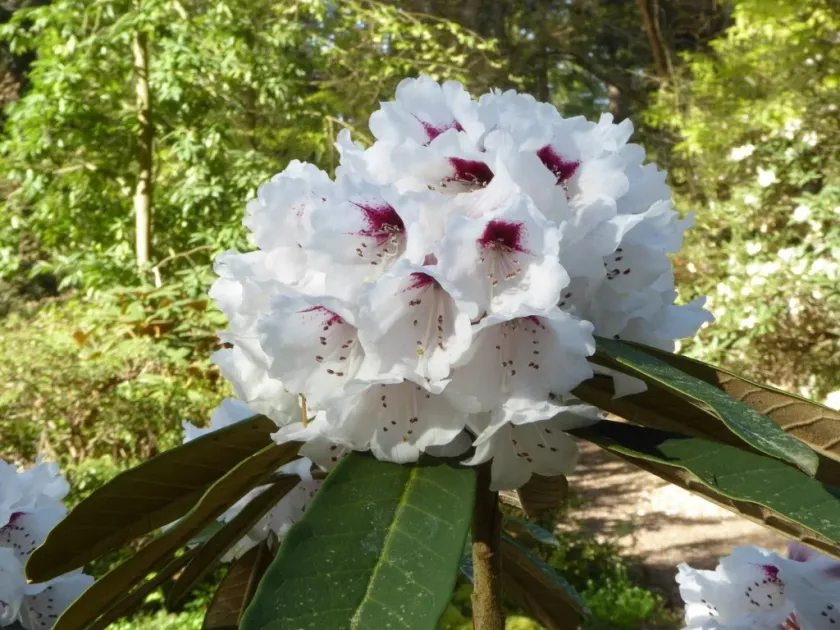
Rhododendron coriaceum is a distinctive member of the Ericaceae family, native to the high-altitude forests of Southwestern China. This evergreen shrub is characterized by its stiff, leathery leaves and is highly valued in ornamental horticulture for its elegant growth habit.
The plant requires a cool and humid microclimate to thrive. It should be situated in partial shade to avoid heat stress during summer, as the leathery foliage is susceptible to scorching if exposed to intense, direct sunlight for extended periods.
Cultivation success relies heavily on soil chemistry; the medium must be highly acidic with a low pH. It is essential to provide a loose, well-draining substrate typically composed of peat moss, pine bark, and perlite to support healthy root development.
Water management is critical due to the plant's shallow root system. Only soft, lime-free water should be used, as tap water containing high levels of calcium or chlorine will quickly alter the soil pH, leading to nutrient deficiencies like iron chlorosis.
Maintenance involves frequent mulching with organic material to keep the soil surface cool and moist. Avoid all forms of deep cultivation or tilling around the base of the plant to prevent tearing the delicate, fibrous roots located just below the soil surface.
Main diseases and pests
The primary health threats for this species include various fungal pathogens such as Phytophthora root rot. These thrive in waterlogged soils, making strict adherence to proper drainage protocols a mandatory preventive measure for every gardener.
Insect pests including the rhododendron bug and spider mites are frequent invaders. These pests damage the foliage by piercing the surface cells, leading to a loss of vitality, mottling of the leaves, and eventually, stunted growth if left untreated.
Biological and chemical control measures are required if infestations occur. Systematic application of insecticides and fungicides should be timed with the onset of the growing season to protect new, tender foliage from colonization by pests and pathogens.
Pruning is an essential component of disease management. Removing dead, damaged, or crowded branches improves airflow through the center of the shrub, significantly reducing the localized humidity that favors the development of fungal spores.
Regular monitoring of the leaf undersides and general shrub health allows for early detection of issues. By maintaining optimal environmental conditions, the risk of disease is substantially minimized, promoting long-term growth and vigor.