
Rhododendron arizelum
Rhododendron arizelum
Description
Growing requirements
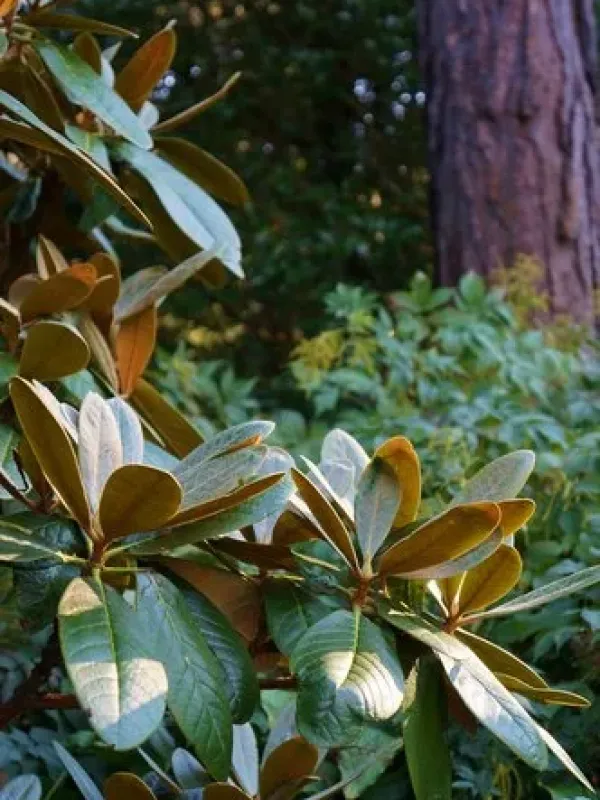
Rhododendron arizelum is an impressive evergreen shrub or small tree belonging to the Ericaceae family. Native to the mountain forests of southeastern Tibet, Myanmar, and Yunnan, China, it is highly valued for its large, leathery leaves and striking inflorescences, making it a prized specimen in ornamental horticulture.
To thrive, this species requires specific soil conditions characterized by high acidity, typically ranging from pH 4.5 to 5.5. The planting medium must be well-draining, rich in organic matter, and kept consistently moist. Waterlogging is detrimental to the root system, so proper site preparation with drainage layers is essential.
Environmental requirements for Rhododendron arizelum focus on moderate temperatures and high atmospheric humidity. It performs best in partial shade, sheltered from intense direct afternoon sunlight and harsh, drying winds. An understory position beneath larger trees provides the necessary light filtering and microclimate stability.
The watering regime is critical for successful cultivation. It requires soft or rainwater, as calcium-rich water can alter the soil pH and cause nutrient lockout. Regular applications of organic mulch, such as pine needles or peat, are recommended to maintain soil moisture, regulate root temperature, and prevent weed competition.
Management techniques involve minimal pruning, which should only be performed to remove dead or damaged branches after the flowering season. Fertilization is best managed using specialized Ericaceous fertilizers during the spring growth flush. Careful monitoring of foliage color is necessary to detect early signs of nutrient deficiencies.
Main diseases and pests
Common health issues for this rhododendron include fungal infections such as Phytophthora root rot and leaf spot diseases, which are usually triggered by poor drainage or stagnant air. Ensuring adequate spacing between plants and maintaining soil hygiene are key preventative strategies for a healthy landscape.
Insect pests that may impact the health of the plant include rhododendron bugs, spider mites, and scale insects. These pests feed on the foliage, leading to chlorosis and stunted growth. Integrated pest management, including horticultural oils or systemic insecticides, should be applied at the first sign of infestation.