
Rhetinolepis lonadioides
Rhetinolepis lonadioides
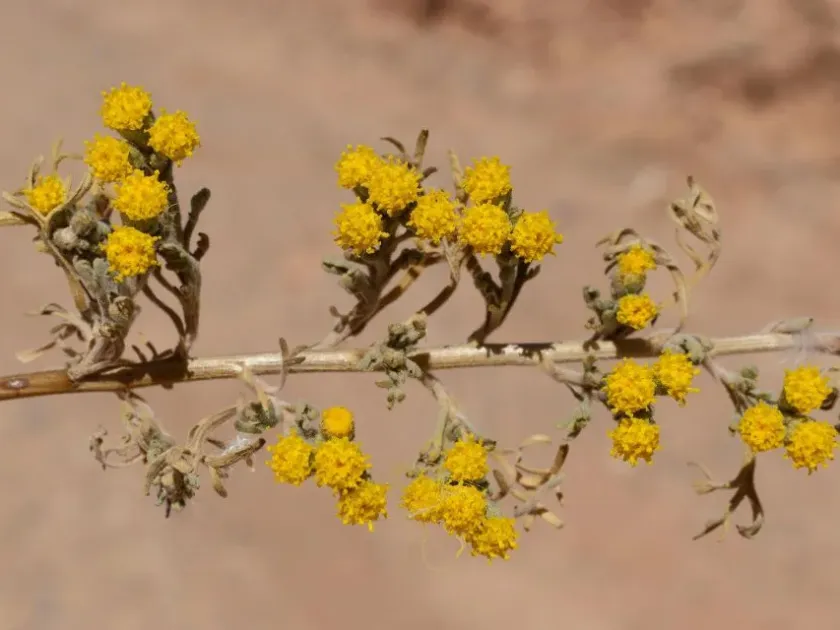
Description
Growing requirements
Rhetinolepis lonadioides is a botanical species belonging to the Asteraceae family. This plant is known for its resilience and unique physiological adaptations, which allow it to thrive in environments that are typically considered challenging for many traditional agricultural crops.
Originating from arid regions in Africa, the species is naturally adapted to high temperatures and intense sunlight. Its morphology suggests a high level of efficiency in water usage, which is a key trait for survival in semi-desertic conditions.
Soil requirements for Rhetinolepis lonadioides are specific: the plant demands sandy or well-drained loamy soils. Water stagnation is highly detrimental, as it encourages root suffocation and subsequently leads to the development of pathogenic fungi.
The climate must be characterized by a warm, dry growing season. Excessive humidity or high rainfall during the flowering stage can significantly reduce seed yield and plant health, making semi-arid zones the most suitable areas for cultivation.
Regarding its utility, the plant is mainly studied for its biological properties. Researchers are investigating its potential in essential oil extraction and as a drought-tolerant component for soil stabilization programs in desertified agricultural landscapes.
Main diseases and pests
The primary threats to Rhetinolepis lonadioides are associated with soil-borne pathogens. Root rot is the most prevalent disease, occurring primarily due to over-irrigation or poor drainage management in the field or nursery environment.
Insect pests such as aphids and spider mites represent a secondary threat. These organisms feed on the succulent parts of the plant, potentially causing stunting and transmitting viral infections that can drastically affect the biomass production.
Management of these threats involves a strict adherence to agronomic guidelines. Maintaining dry soil surface conditions and ensuring proper spacing between plants are essential steps to improve air circulation and reduce disease pressure.
In case of pest infestation, biological control measures are encouraged over heavy chemical reliance. Introducing predatory insects or applying botanical-based soaps can manage populations without harming the plant's delicate tissues.
Farmers should conduct regular visual inspections of the foliage and root collar. Early identification of discoloration or wilting is critical to implementing localized treatments before a full-scale outbreak occurs within the planting rows.