
Rhabdoweisia fugax
Rhabdoweisia fugax
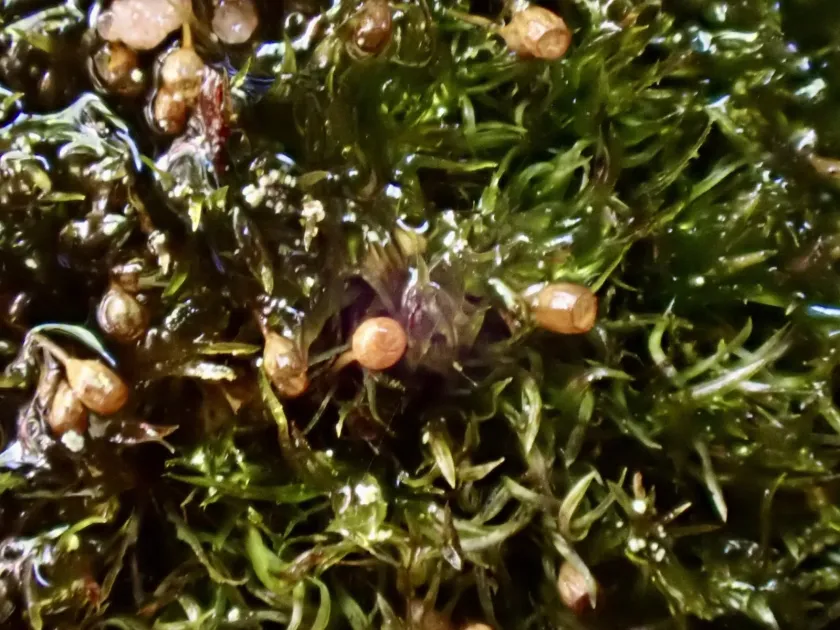
Description
Growing requirements
Rhabdoweisia fugax is a small moss species belonging to the Dicranaceae family. It is strictly a wild botanical species and is not considered a cultivated agricultural crop in any agronomic context.
This moss is typically found in humid, shaded environments, specifically growing on acidic rocks and in crevices. It thrives in regions with high atmospheric moisture and cool climates.
Botanically, it forms dense, soft mats. The leaves are narrow and lanceolate, adapted to minimize water loss while maximizing the surface area for absorption from the humid air.
The environmental requirements include a stable, sheltered microclimate. It is highly sensitive to desiccation, requiring constant high humidity to prevent the tissues from drying out and dying.
In terms of agricultural or economic utility, Rhabdoweisia fugax is not used commercially. Its primary value is ecological, acting as a pioneer species in colonizing bare rock surfaces in forest ecosystems.
Main diseases and pests
The main threats to Rhabdoweisia fugax include habitat destruction due to deforestation, which alters the light and moisture levels necessary for its survival.
Air pollution, particularly sulfur dioxide and other industrial emissions, significantly inhibits its growth and reproductive capabilities as it relies on air moisture.
Climate change poses a severe risk, as shifting weather patterns can lead to prolonged dry spells that are lethal to this species of moss.
Erosion and physical disruption of rocky slopes, whether from natural causes or human activity, can lead to the loss of established moss colonies.
Encroachment of invasive plant species that are better suited to changing microclimatic conditions can outcompete and displace these slow-growing moss mats.