
Rhabdodendron macrophyllum
Rhabdodendron macrophyllum
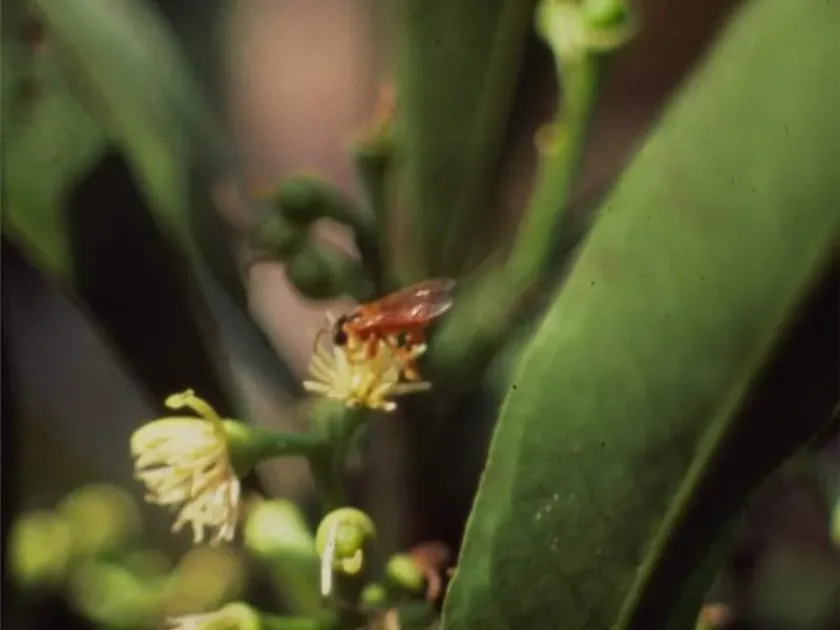
Description
Growing requirements
Rhabdodendron macrophyllum is a unique evergreen woody species belonging to the family Rhabdodendraceae. It is native to the tropical rainforests of South America, specifically found in the Amazonian river basin and the Guiana Shield regions.
The cultivation of this plant requires a stable tropical climate with consistently high temperatures throughout the year. High atmospheric humidity is essential, as the plant relies on moisture absorption through its foliage and roots to maintain turgor pressure.
The ideal growing medium must be highly acidic and well-drained, rich in decayed organic matter. In a controlled agricultural or nursery setting, peat-based substrates or specialized tropical mixes are preferred to mimic natural soil conditions.
Light management is crucial, as the plant naturally inhabits the understory of dense forests. Providing bright, filtered light is necessary, as intense direct sunlight will cause leaf scorch and compromise the physiological development of the plant.
Agricultural practice involves careful fertigation to provide necessary nutrients without altering the acidity of the soil. Regular monitoring of the pH level is required to ensure that the plant can effectively absorb essential minerals like iron and manganese.
Main diseases and pests
Fungal pathogens represent the primary threat to Rhabdodendron macrophyllum, particularly in environments with poor air circulation. These pathogens often target the foliage and root systems during periods of high humidity.
Pests such as spider mites are common in indoor or greenhouse cultivation. They thrive in dry conditions and can quickly colonize the large leaf surfaces, leading to yellowing and premature leaf fall.
Root rot, often caused by overwatering and poor drainage, is the most common cause of mortality in nursery stock. Maintaining a balance between soil moisture and aeration is critical for long-term survival.
Physiological disorders, including chlorosis, can occur if the soil pH deviates from the optimal range. This indicates an inability to process nutrients correctly and requires immediate soil amendment.
Preventative measures include the use of sterile substrates and systemic fungicides applied sparingly to avoid chemical stress on the sensitive tropical tissues. Regular pruning of dead or decaying material is also recommended.