
Retzia capensis
Retzia capensis
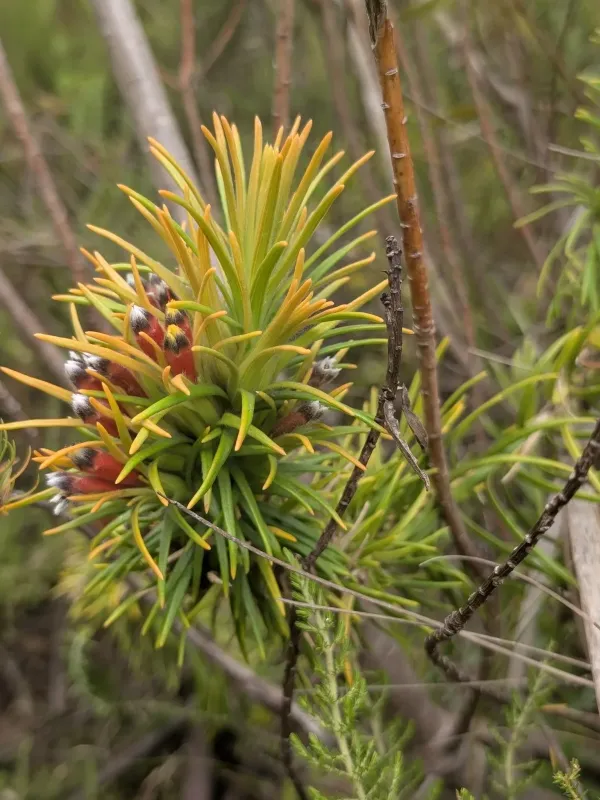
Description
Growing requirements
Retzia capensis is a fascinating perennial shrub representing a monotypic genus within the Stilbaceae family. Native exclusively to the Cape region of South Africa, it is highly regarded for its unique morphological structure and architectural appearance.
In its natural habitat, the plant thrives in fynbos vegetation, requiring well-drained, sandy, and acidic soils. It is biologically adapted to a Mediterranean-type climate characterized by dry summers and wet winters, which must be mirrored in cultivation.
Successful cultivation requires high levels of solar radiation and consistent ventilation to mimic the mountain slopes of its origin. Stagnant air or low-light conditions typically result in weak, spindly growth and loss of the plant's characteristic rigid form.
The watering regime is critical: the substrate must be allowed to dry out significantly between irrigations to prevent root asphyxiation. Excess moisture is the most common cause of failure when attempting to propagate or maintain this species.
Given its sensitivity to temperature fluctuations, it is best grown in controlled environments like greenhouses where thermal stability can be guaranteed throughout the year. It does not tolerate frost or extreme heat spikes.
Main diseases and pests
The primary threat to the vitality of Retzia capensis is root rot, triggered by fungal pathogens such as Phytophthora or Pythium species. These organisms proliferate in wet, compacted, or poorly drained potting media.
Insect pests, particularly mealybugs and spider mites, are frequent issues in greenhouse settings. Their presence causes localized chlorosis and severe stress, often leading to secondary infections through the punctures left by the pests.
Management strategies involve rigorous sanitation practices, including the sterilization of pots and substrate materials before planting. Integrated pest management (IPM) should be applied to prevent the buildup of pest populations.
Early detection is vital, as the plant's structural density makes it difficult to reach pests with sprays once an infestation becomes established. Regular monitoring of the foliage and stems is mandatory for professional care.
If chemical interventions are necessary, broad-spectrum fungicides and systemic insecticides should be utilized with caution. It is recommended to perform small-scale tests on individual branches before applying treatments to the entire plant.