
Resnova megaphylla
Resnova megaphylla
Description
Sowing dates
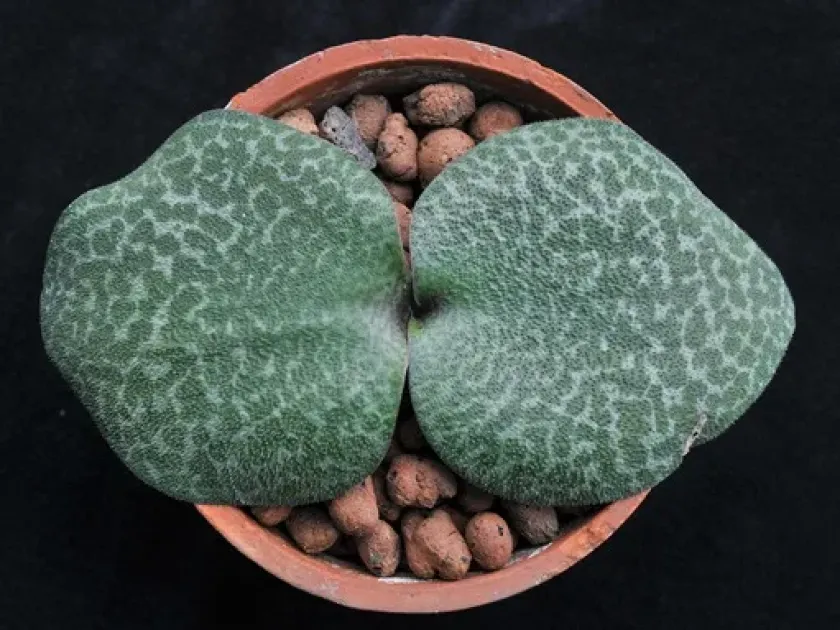
Resnova megaphylla is a perennial bulbous plant belonging to the Asparagaceae family, subfamily Scilloideae. It is primarily valued in ornamental collections for its large, distinctive succulent-like leaves and unique inflorescence structure.
Propagation is most successfully achieved by separating offsets (daughter bulbs) during the plant's dormant period. This method ensures the new plants reach maturity faster and retain all the desirable characteristics of the parent bulb.
Seed sowing is possible but less common; it requires fresh seeds and high-quality, sterile substrates. The seeds should be sown at a shallow depth and maintained at a temperature of approximately 20–22 degrees Celsius to ensure steady germination.
When planting the bulbs, it is crucial not to bury them too deeply. Leaving the top third of the bulb exposed to light and air is a common professional practice that significantly reduces the risk of basal rot and promotes healthier root development.
The ideal spacing for cultivation depends on the growth objectives; for container planting, a distance of 5–7 centimeters between bulbs is sufficient, while for decorative displays, wider spacing allows for better leaf development and air circulation.
Growing requirements
This species requires bright, indirect light to maintain its compact growth form and leaf coloration. Direct afternoon sunlight should be avoided, as it can cause scorching of the large, fleshy leaves typical of this species.
The substrate must be exceptionally well-draining. A mix of potting soil, coarse sand, and perlite is recommended to prevent moisture retention near the bulb, which is the primary cause of decline in this species during the growing season.
Temperature management is straightforward: it prefers a stable environment between 18 and 25 degrees Celsius. During the winter dormancy phase, the temperature can be reduced to 12–15 degrees Celsius to trigger the rest cycle.
Watering must be strictly regulated. The soil should be allowed to dry out almost completely between waterings. During winter, watering is reduced to a minimum to keep the bulbs from shriveling while preventing rot in cool conditions.
Fertilization should be applied sparingly during the peak growth season using a low-nitrogen, high-potassium formula. This helps strengthen the bulb structure and supports the energy reserves needed for subsequent flowering cycles.
Main diseases and pests
The most significant threat to Resnova megaphylla is fungal infection, specifically Fusarium rot, which occurs when growing media remains damp for too long. Proper aeration and drainage are the primary preventative measures against this disease.
Spider mites are a common pest, especially in indoor environments with low humidity. They thrive on the underside of the leaves, causing stippling and eventual leaf loss if not addressed with appropriate acaricides or increased humidity.
Mealybugs can often hide in the tight clusters of the leaf bases, making them difficult to detect. Regular inspection and the application of systemic insecticides are the most effective ways to maintain the health of the plant.
Soft rot, often caused by bacterial pathogens following physical damage to the leaves or bulbs, can spread rapidly. Any infected tissue must be removed immediately with a sterilized tool, and the wound should be dusted with powdered charcoal.
Proactive care involves using only sterile potting media and cleaning all gardening tools regularly. By controlling the environmental humidity and avoiding overhead watering, growers can significantly reduce the risk of common diseases.