
Regelia velutina
Regelia velutina
Description
Growing requirements
Regelia velutina is a species of flowering plant within the Myrtaceae family, native to the south-western parts of Western Australia. This shrub is known for its unique aesthetic and its adaptation to the rugged, sandy environments of its origin.
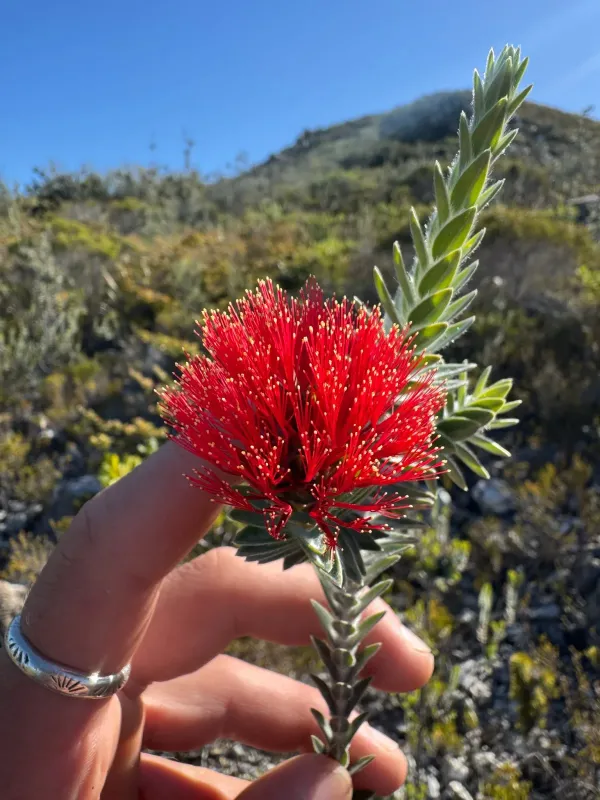
Botanically, it is recognized by its velvety foliage and stems, which provide a soft texture and appearance. The plant typically forms a dense, bushy structure, making it a popular choice for xeriscaping in suitable Mediterranean or similar climates.
The cultural requirements for this plant are specific: it demands well-draining, nutrient-poor sandy soil. Excessively rich soil or waterlogging will lead to rapid root decline, which is the most common cause of failure in domestic cultivation.
Sun exposure is a critical factor for the healthy development of Regelia velutina. The plant requires full sun to maintain its structural density and to trigger its distinct flowering phase throughout the growing season.
Pruning is essential for maintenance, especially after the flowering period. By removing old flowers and slightly shortening the stems, gardeners can ensure a more compact shape and encourage denser growth for the following cycle.
Main diseases and pests
Root rot is the primary threat to this species, often triggered by "wet feet" conditions. To mitigate this risk, gardeners must ensure excellent soil aeration and avoid planting in low-lying areas where water might accumulate.
Pests such as aphids and scale insects are common adversaries, especially during the growth of tender new shoots. These pests can be managed through regular monitoring and the targeted application of horticultural oils or systemic insecticides.
Fungal pathogens can occasionally affect the foliage if humidity is too high or if air circulation is insufficient. Keeping the canopy sparse through proper pruning helps reduce the likelihood of fungal issues developing.
It is important to avoid the excessive use of phosphate-based fertilizers, as native Australian plants like Regelia are highly sensitive to phosphorus, which can lead to toxicity and eventual plant death.
Early identification of signs of stress, such as yellowing or wilting, is vital for saving the plant. Timely intervention with correct watering adjustments usually resolves most non-pathological issues associated with environmental stress.