
Reevesia pubescens
Reevesia pubescens
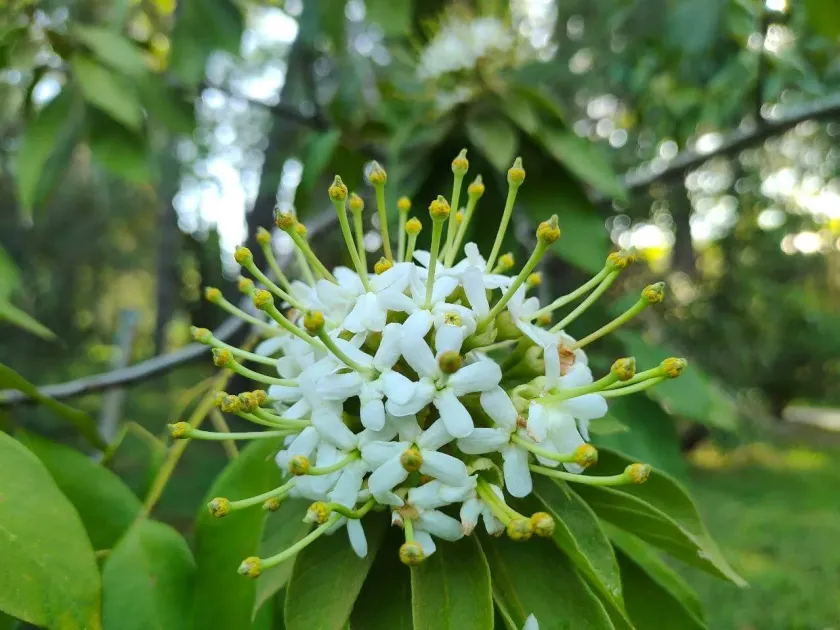
Description
Sowing dates
Reevesia pubescens can be propagated through seeds or stem cuttings. Seed sowing is best performed in a greenhouse environment during the spring months when temperatures are consistently warm.
The ideal substrate for germination should be light, well-draining, and rich in organic matter. Maintaining a constant temperature of around 22–25 degrees Celsius is essential for successful seedling emergence.
Cuttings should be taken from healthy, semi-hardwood stems during late summer. Utilizing rooting hormones is highly recommended to improve the establishment of a robust root system.
Seedlings should be kept in a protected environment and transplanted into individual pots once they develop their first set of true leaves to ensure optimal growth space.
Proper airflow during the propagation phase is critical to prevent damping-off diseases, which can quickly devastate young plant populations in humid conditions.
Growing requirements
Reevesia pubescens belongs to the Malvaceae family and is native to the subtropical forests of Southeast Asia. It is valued for its evergreen foliage and elegant growth habit.
The plant thrives in fertile, well-draining soil with a neutral to slightly acidic pH. Avoid heavy, waterlogged soils, as they can quickly lead to root decay in this species.
Climatic requirements involve stable temperatures and high humidity. It is sensitive to frost and should be cultivated in protected settings such as greenhouses or conservatories in cooler climates.
Light levels should be bright but filtered. Direct mid-day sun may cause leaf scorching, so providing partial shade or diffused light is beneficial for the plant's overall health.
Watering should be managed based on soil moisture levels. The plant requires consistent moisture during the growing season but should not be left in standing water.
Main diseases and pests
Spider mites are the most common pest affecting Reevesia pubescens, particularly when grown in low-humidity environments. They can cause leaf discoloration and weakening of the plant.
Root rot, often caused by overwatering or poor drainage, is a significant threat to the longevity of the plant. Ensuring the planting medium is well-aerated is the primary preventative measure.
Fungal diseases such as powdery mildew can occur if there is inadequate air circulation around the canopy. Maintaining proper spacing and pruning helps to minimize these risks.
Regular monitoring of foliage is recommended to catch pest infestations early. Immediate intervention with appropriate horticultural soaps or systemic pesticides can effectively manage the issue.
Sanitation practices, including the removal of fallen leaves and debris around the base of the plant, are essential to maintain a healthy growing environment and prevent pathogen spread.