
Raukaua simplex
Raukaua simplex
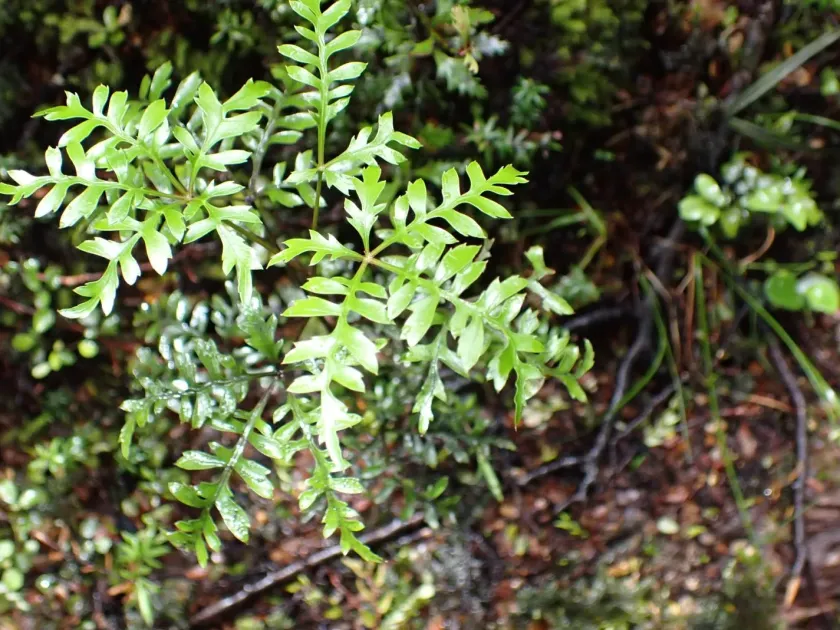
Description
Sowing dates
Raukaua simplex is a distinctive member of the Araliaceae family, native to New Zealand. In its natural environment, the species thrives in forest understories and montane regions, adapting to specific microclimates.
Propagation from seed is challenging due to the dormancy period required by the species. Seeds generally need stratification in cool, moist conditions for several weeks to stimulate germination successfully.
Vegetative propagation via cuttings is the most reliable method for maintaining the desired characteristics of the plant. Semi-hardwood cuttings taken during the growing season provide the best results for rooting.
A well-aerated propagation medium, such as a mix of peat moss and perlite, is essential to ensure adequate oxygen circulation around the developing roots. High ambient humidity is critical during the rooting stage.
Seedlings and young cuttings require a stable environment with protection from sudden environmental changes. Gradual acclimatization to lower humidity levels is necessary once the root system is well-established.
Growing requirements
This culture requires bright, indirect light to maintain its optimal growth and foliage health. Direct sunlight must be avoided, as it can cause leaf scorch and damage the delicate tissues of the plant.
Well-drained, nutrient-rich, and slightly acidic soil is the preferred substrate for this species. Proper drainage is vital to prevent water stagnation, which can lead to rapid decay of the root system.
Temperature management should focus on keeping the environment temperate and consistent. While the plant can tolerate mild fluctuations, it is sensitive to extreme heat and prolonged frost conditions.
High humidity is essential for the healthy development of Raukaua simplex, mimicking its natural habitat. Frequent misting or the use of humidifiers in indoor settings will significantly improve overall plant health.
Balanced fertilization applied during the growing season supports structural development. It is recommended to use diluted concentrations to prevent salt buildup, which can be detrimental to the sensitive root system.
Main diseases and pests
Root rot, caused by overwatering or poor drainage, remains the most significant threat to the survival of Raukaua simplex. Maintaining appropriate soil moisture levels is the primary defense against this issue.
Pests such as spider mites and mealybugs can pose a threat, particularly in environments with poor air circulation. Regular inspection of the undersides of leaves is necessary to detect early infestations.
Fungal pathogens can affect the plant if humidity levels are excessive without adequate airflow. Improving ventilation is a key preventative measure to stop the spread of mold and mildew on the stems.
Mechanical damage to the foliage and stems can leave the plant vulnerable to secondary infections. Careful handling and pruning using sterilized tools are recommended whenever maintenance is required.
If symptoms of stress appear, such as yellowing leaves or wilting, immediate assessment of the soil and environment is necessary to prevent further decline and restore plant vigor.