
Milk thistle
Silybum marianum (L.) Gaertn.
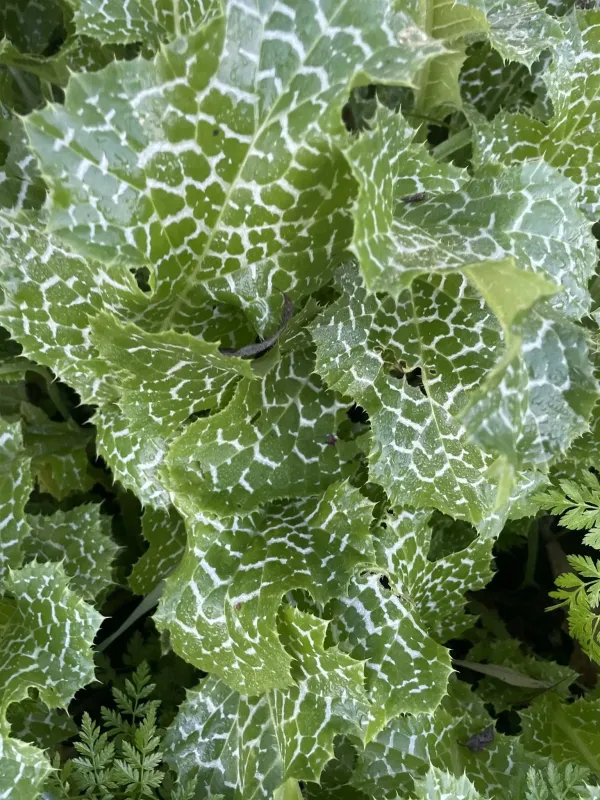
Description
Sowing dates
Milk thistle (Silybum marianum) belongs to the Asteraceae family. It is an annual or biennial plant, usually grown as a spring crop in modern agricultural systems. Sowing occurs in early spring once soil temperatures reach 8–10 °C.
The recommended sowing method is wide-row cultivation with row spacing of 45–70 cm. This allows for easier weed control and ensures that each plant receives sufficient space for robust vegetative growth.
The seeding rate ranges from 8 to 12 kg per hectare, with a sowing depth of 3–4 cm. Good soil moisture contact is essential to achieve uniform and fast emergence, especially in drier climates.
In regions with temperate climates, sowing in April is preferred. The plant displays high growth energy, and early planting helps it establish a strong leaf rosette before the peak of summer heat.
Field preparation is crucial, as the crop is initially slow-growing and highly sensitive to competition from aggressive weeds. A clean, weed-free seedbed is the foundation for a successful harvest.
Growing requirements
Milk thistle is recognized as a drought-tolerant crop, making it suitable for steppe and semi-arid regions. However, it requires full sun exposure and performs poorly in shaded or low-light areas.
While adaptable to various soil types, the plant thrives in fertile chernozem, chestnut soils, or well-structured loams. A neutral to slightly alkaline soil pH is considered ideal for maximum productivity.
Waterlogging is detrimental to milk thistle. High water tables or heavy, clay-rich soils prone to pooling often lead to root rot and significant stand losses during the early stages of development.
The crop is relatively hardy against minor spring frosts. Temperatures between 18 and 25 °C are optimal for vegetative growth, and the plant can withstand significant fluctuations in air humidity.
In terms of crop rotation, milk thistle follows winter cereals or row crops effectively. Proper rotation helps maintain soil structure and reduces the risk of soil-borne diseases common to this plant.
Yield
Under professional management, yields typically range from 0.8 to 1.5 tonnes of seed per hectare. Variations in yield are often attributed to regional weather patterns and soil fertility levels.
A distinctive biological feature of milk thistle is the asynchronous maturation of its flower heads. This requires diligent monitoring to ensure the crop is harvested at the peak of seed maturity.
The use of chemical desiccants is a standard practice in commercial farming to standardize ripening. This method significantly reduces field losses and streamlines the mechanical harvesting process.
The value of the yield is heavily dependent on the silymarin content within the seeds. Proper timing of the harvest is critical to ensuring the pharmacological quality of the final seed product.
Milk thistle serves several sectors, providing raw material for the pharmaceutical industry, food-grade oil extraction, and protein-rich meal for specialized livestock feed supplements.
Main diseases and pests
Common pests affecting milk thistle include aphids and the painted lady butterfly (Vanessa cardui). During the flowering phase, seed-feeding weevils can cause significant damage to the developing harvest.
The most common diseases include powdery mildew and white rot. These pathogens typically thrive under high humidity conditions and are exacerbated by overly dense plant populations in the field.
Effective pest management relies on early detection through regular field scouting and the removal of host weeds, which often serve as primary reservoirs for pests and fungal diseases.
Chemical control measures should be applied carefully, observing necessary harvest intervals to prevent residues. Using certified, healthy seed is the first line of defense against seed-borne pathogens.
Maintaining optimal stand density and ensuring adequate aeration within the crop canopy are essential prophylactic measures to prevent the development and spread of fungal infections.
Harvesting
Harvesting should begin when the flower bracts turn brown and a white pappus becomes visible on the seeds. At this stage, seed moisture should ideally be around 12–14 % for optimal storage.
Direct combining is the preferred method, provided the crop has been desiccated. This ensures that the vegetative mass is dry enough to pass through the harvester without causing clogging.
Machine settings must be adjusted to minimize seed trauma. Given the high oil content of the seeds, aggressive threshing can lead to rancidity and quality degradation during subsequent storage.
Post-harvest, seeds must be cleaned of debris and dried to a moisture content of 9–10 %. Proper drying is essential to prevent heating and fungal growth in the bulk product.
Seeds should be stored in cool, dry, and well-ventilated facilities. Constant vigilance against stored-grain pests is necessary to maintain the high quality of the medicinal harvest throughout the year.