
Raphidiocystis chrysocoma
Raphidiocystis chrysocoma
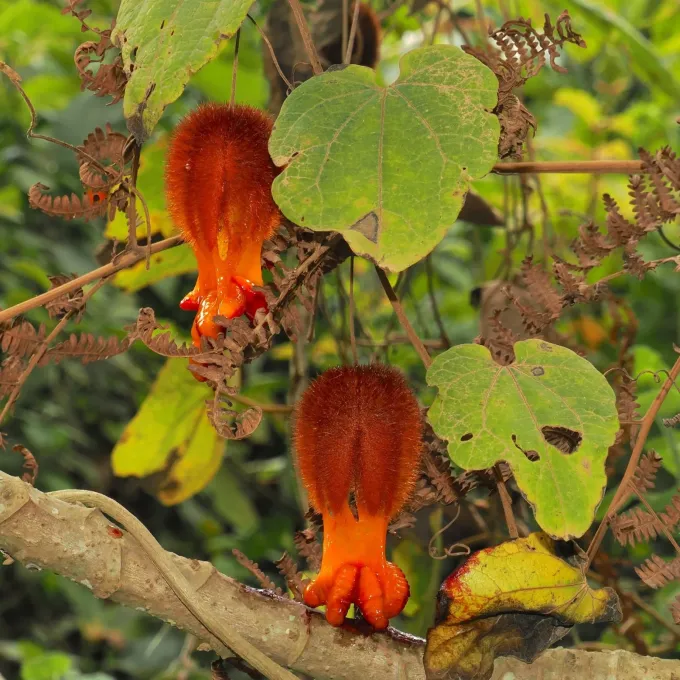
Description
Sowing dates
Raphidiocystis chrysocoma is a member of the Cucurbitaceae family, typically characterized by its vigorous climbing habit. This species functions as a perennial vine that thrives in warm, stable environmental conditions.
The sowing process requires well-prepared substrate with excellent drainage. Seeds are sensitive to thermal fluctuations, so maintaining a constant temperature during germination is crucial for optimal development.
Sowing in the field should only occur once the soil has reached a minimum temperature sufficient to support rapid root establishment, ensuring the plants do not suffer from cold-induced shock.
Many growers prefer starting the plant in a nursery setting. This allows for a controlled transition period, giving the young vines a head start before they are hardened off and transplanted to permanent locations.
Spacing is a vital consideration during planting. Because the vines possess a strong tendency to spread, providing adequate distance between individuals prevents competition for light and essential nutrients.
Growing requirements
The crop requires fertile, well-draining soil with an optimal pH level. Heavy clay soils are generally unsuitable as they retain too much water, which can lead to the suffocation of the root system.
Full sun exposure is a mandatory condition for the successful cultivation of this species. In shaded areas, the plant will show signs of etiolation, resulting in weak stems and poor foliage production.
Water management must be consistent throughout the growing season. While the plant needs steady moisture, the soil must be allowed to breathe between irrigation cycles to prevent waterlogged conditions.
Optimal temperatures for active growth range between 22 and 28 degrees Celsius. Protection against extreme heat and cold is necessary to ensure the plant maintains its physiological balance.
Sturdy trellising is essential for this vine. Without a physical support structure, the plant's ability to maximize photosynthesis is restricted, which subsequently hinders its vegetative and reproductive output.
Main diseases and pests
Fungal pathogens, particularly powdery mildew, are the primary threats. These thrive in humid, stagnant air environments where airflow is insufficient to dry the foliage after morning dew or irrigation.
Root rot is a persistent danger, usually resulting from poor soil drainage or over-irrigation. Maintaining a balanced moisture level is the primary defense strategy against these soil-borne threats.
Pests such as spider mites and aphids are known to target this species. They typically appear during hot, dry spells, feeding on sap and causing yellowing or curling of the leaves.
Integrated pest management, focusing on early detection and biological control methods, is highly recommended to sustain the health of the plants without relying solely on aggressive chemicals.
Regular maintenance, including the removal of dead or infected plant matter, helps in limiting the spread of disease, ensuring that the remaining population stays healthy and productive throughout the cycle.