
Horned buttercup
Ranunculus cornutus
Description
Growing requirements
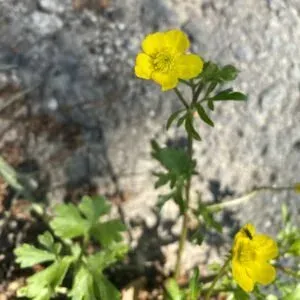
The horned buttercup (Ranunculus cornutus) is an annual herbaceous plant belonging to the diverse Ranunculaceae family. This species is easily distinguished by its distinctive fruit morphology, featuring small horn-like appendages on the achenes.
The native habitat of this plant includes the Mediterranean region, the Middle East, and parts of North Africa. It is naturally adapted to moist environments, often flourishing in meadows that experience seasonal inundation or remain damp throughout the spring.
In terms of environmental conditions, the plant thrives in full sun exposure. Adequate light is essential for the plant to maintain its growth cycle and produce healthy flowers, as shaded areas often result in stunted development.
Soil requirements typically favor heavy, nutrient-rich loamy or silty soils that retain water well. The plant exhibits a unique ability to thrive in saline conditions, allowing it to populate niche areas that are inhospitable to most other flora.
Botanically, it relies on a specific hydration cycle to reach maturity. The interaction between soil moisture and temperature determines the speed of germination and the total volume of biomass produced during the short annual life span.
Main diseases and pests
Natural chemical defenses, specifically the presence of the compound protoanemonin, make the horned buttercup highly unpalatable to most herbivores. This creates a strong biological barrier against typical grazing threats.
While the plant is hardy, it remains susceptible to fungal pathogens if grown in areas with poor drainage and excessive humidity. Conditions that promote prolonged surface moisture often trigger the development of mold and mildew on the foliage.
Root rot is a major threat in man-made or agricultural environments where soil compaction prevents proper aeration. Without adequate air exchange in the root zone, the plant's vascular system quickly declines.
Competition from more aggressive, invasive weed species can suppress the horned buttercup during its early establishment phase. In dense plant communities, the horned buttercup requires sufficient space to ensure adequate sunlight penetration.
Although generally resilient, the plant can be affected by extreme temperature fluctuations during the budding phase. A sudden heatwave combined with a rapid drop in soil moisture can force the plant into premature senescence, resulting in poorly developed seeds.