
Ramosmania
Ramosmania rodriguesii
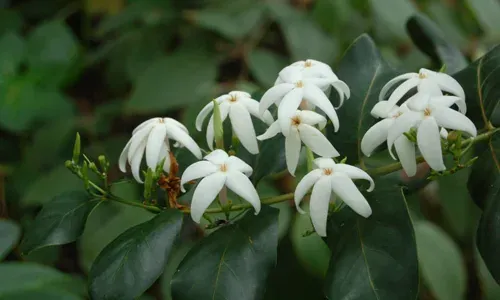
Description
Growing requirements
Ramosmania (Ramosmania rodriguesii) belongs to the Rubiaceae family. This rare shrub species is an endemic plant native to the island of Rodrigues, located in the Indian Ocean, and is famously known for being once thought extinct.
The plant thrives in a tropical climate characterized by consistently high humidity levels and stable temperatures. It requires a protected environment to avoid the harsh, direct ocean winds that can damage its delicate foliage.
Soil requirements involve nutrient-dense, well-drained substrates. In botanical cultivation, specialized mixes containing high organic content and volcanic components are preferred to mimic the plant's native conditions.
Agricultural techniques for this species are limited to conservation-focused greenhouse management. Since the plant is not a commercial crop, all cultivation efforts are aimed at botanical preservation and study.
Propagation is mostly conducted through asexual methods, such as stem cuttings, to ensure the survival of the existing genetic lines, as natural seed germination is inconsistent and complex.
Main diseases and pests
The primary threat to this species is habitat destruction and invasive competition. Non-native plants significantly outcompete Ramosmania for vital space, nutrients, and sunlight in its limited natural range.
Pests such as spider mites and mealybugs present a constant challenge in greenhouse settings. These insects can rapidly proliferate in the controlled environment, necessitating integrated pest management strategies.
Fungal pathogens represent a major risk, particularly root rot caused by poor drainage or excessive soil moisture. Such infections are often fatal if not detected and treated in the early stages.
Lack of genetic diversity makes the species particularly vulnerable to new disease outbreaks, forcing conservationists to maintain high levels of biosecurity in areas where the plant is grown.
Monitoring for signs of leaf spot and nutrient deficiency is critical, as the plant's metabolism is sensitive to any variation in the nutrient content of the soil or water quality used for irrigation.