
Radyera urens
Radyera urens
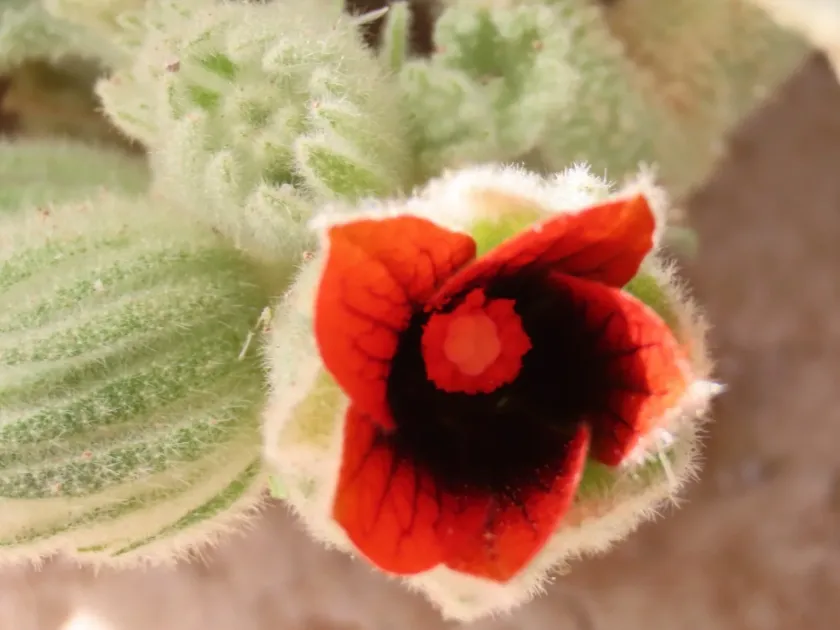
Description
Growing requirements
Radyera urens is a perennial herbaceous plant belonging to the Malvaceae family, native to the arid and semi-arid regions of Australia and South Africa. It has evolved to thrive in environments where water availability is highly variable.
Botanically, the plant is characterized by its distinct foliage covered in prickly, stiff hairs. These structures help minimize transpiration, allowing the plant to maintain physiological processes during periods of extreme heat and prolonged droughts.
The crop thrives in well-drained, sandy or light loam soils with a neutral pH. It exhibits notable tolerance to saline soil conditions, suggesting its utility in land restoration projects where conventional crops would fail.
In terms of climate, Radyera urens requires significant sun exposure to reach its maximum yield potential. It is highly sensitive to frost, which limits its commercial cultivation to frost-free or temperate regions with long growing seasons.
The industrial value of this plant lies in its stem fibers, which possess high tensile strength. Researchers and agronomists view it as a sustainable source of raw material for textiles, composites, and biodegradable industrial products.
Main diseases and pests
The primary threats to Radyera urens include various aphids and leaf-eating beetles that can significantly reduce biomass yield. Integrated pest management strategies are crucial for protecting young, succulent plants during their establishment phase.
Fungal pathogens such as root rot may occur in poorly drained areas or during seasons with excessive rainfall. Improving soil structure and implementing precise irrigation scheduling are the best defenses against these conditions.
Weed competition poses a severe challenge during the early stages of growth, as the plant initially invests much of its energy into root development. Mulching and manual weeding are often necessary until the plant canopy covers the ground.
Viruses transmitted by sap-sucking insects can cause chlorosis and stunted growth in affected populations. Field sanitation and the removal of secondary hosts are recommended to maintain healthy crop cycles.
Monitoring for signs of nutrient deficiency is also essential, as imbalanced soil conditions can predispose the plants to opportunistic diseases. Fertilization should be aligned with soil testing results to ensure optimal plant immunity.