
Brazilian soapbark tree
Quillaja brasiliensis
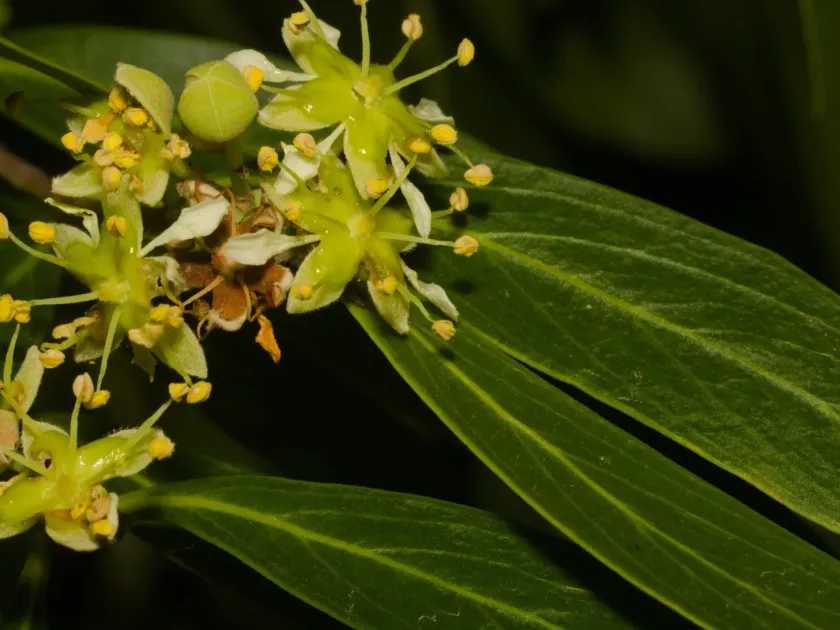
Description
Growing requirements
The Brazilian soapbark tree (Quillaja brasiliensis) is a distinctive evergreen woody species belonging to the Quillajaceae family. It typically grows as a small to medium-sized tree, valued in industry for its secondary metabolites.
Native to the southern regions of South America, including Brazil, Uruguay, and Argentina, the plant thrives in habitats characterized by well-drained, sandy or rocky substrates. It prefers temperate to warm climates with high solar exposure.
Cultivation requires careful site selection as the tree is intolerant of waterlogged soil conditions. Proper irrigation management is essential during the establishment phase to ensure the root system develops strength and resilience against environmental stressors.
Botanically, it features coriaceous leaves and woody fruit capsules. The species is highly appreciated for its bark and leaf content of saponins, which are potent natural surfactants used in the food, pharmaceutical, and cosmetic industries.
Agricultural management involves regular pruning to maintain health and ensure sufficient light penetration to the inner canopy. Soil fertility management should focus on maintaining adequate mineral balance without inducing excessive vegetative growth that could reduce sapogenin concentration.
Main diseases and pests
The main threats to Quillaja brasiliensis involve fungal pathogens, particularly root rot, which occurs under poor drainage conditions. Maintaining a proper soil moisture level is the primary preventative measure for these infections.
Pest management focuses on mitigating damages from leaf-eating insects and mites, which can reduce the leaf area and subsequently lower the plant's overall productivity and concentration of secondary compounds.
Competition from weeds presents a significant obstacle during the initial years of development, as the species has a relatively slow growth rate. Effective weeding strategies, such as mechanical cultivation or mulching, are essential.
Frost damage represents a physical threat to young trees in cooler climates. Protective measures, including winter covering, are recommended for plantations located in zones subject to unexpected low-temperature events.
Integrated pest management (IPM) is strongly recommended to preserve the purity of the harvested material. Biological control agents are preferred over synthetic pesticides to meet international standards for medicinal and industrial plant products.