
Schoch oak
Quercus x schochiana Dieck
Description
Growing requirements
The Schoch oak (Quercus x schochiana) is a recognized hybrid resulting from the cross-breeding of Quercus robur and Quercus palustris, belonging to the Fagaceae family.
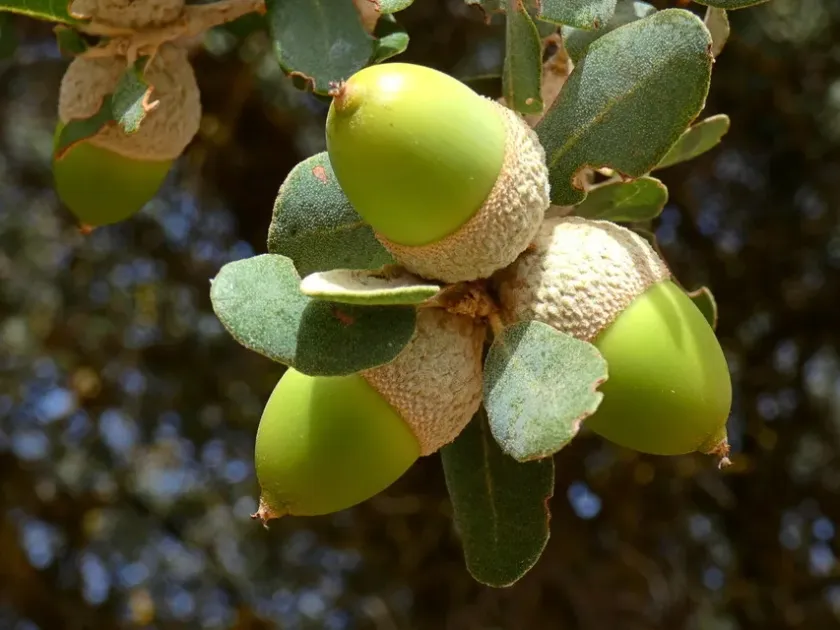
Botanically, it displays intermediate features, combining the robust structure of the English oak with the distinct leaf morphology typical of the pin oak, making it a valuable subject for parks.
The tree thrives best in deep, fertile, and well-drained soils. It performs poorly in compacted or excessively waterlogged environments, which can lead to root system degradation.
Regarding climate, it requires full sun exposure for optimal crown development and vibrant autumnal foliage coloration, which is a key aesthetic trait of this hybrid.
Proper cultivation involves spacing the trees correctly to ensure airflow and applying mulch around the base to retain moisture while protecting the shallow feeder roots.
Main diseases and pests
The primary pathogenic threat to the Schoch oak is powdery mildew, particularly during warm and humid weather conditions which favor fungal spore germination.
Insect pests, such as leaf rollers and various species of aphids, can impact the foliage health, often leading to reduced photosynthetic efficiency in young trees.
Long-term health can be compromised by wood-boring beetles if the tree is subjected to prolonged drought stress or significant site-related physiological pressure.
Effective management requires the application of preventive horticultural oils or systemic insecticides if population thresholds of harmful insects are exceeded.
Maintaining high hygiene standards in the planting area, including the removal of infected deadwood, is essential to prevent the spread of opportunistic pathogens.