
Auzandri-Morisii hybrid oak
Quercus x auzandrii Gren. & Godr. x Quercus x morisii Borzì
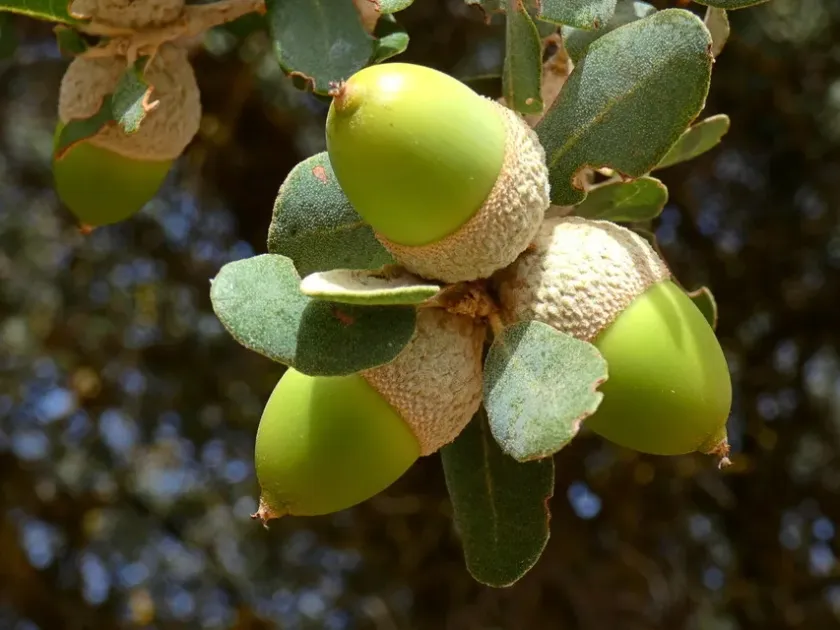
Description
Growing requirements
The Auzandri-Morisii hybrid oak (Quercus x auzandrii x Quercus x morisii) is a notable member of the Fagaceae family, appreciated in forestry for its vigorous growth patterns. This hybrid combines the distinct genetic traits of its parental species to improve adaptive capacity.
Regarding soil requirements, this oak thrives in deep, fertile, and well-drained loams. It is adaptable to various soil pH levels, though it performs optimally in slightly acidic conditions. Adequate soil structure is vital for the development of its deep taproot system.
In terms of climatic needs, the tree prefers moderate temperature zones with well-distributed annual rainfall. While it shows good resistance to environmental stressors, it requires sheltered locations during its juvenile stage to avoid excessive wind desiccation.
Agronomic management involves regular maintenance of the root zone, including weed control and mulching. Young trees benefit significantly from supplemental irrigation during dry spells to ensure steady development and canopy formation.
The economic utility of this hybrid is twofold: it is utilized both for high-quality timber production and for ornamental use in public parks. Its rapid growth and aesthetic structure make it a preferred choice for sustainable forest management projects.
Main diseases and pests
Powdery mildew represents the primary fungal challenge for this species, especially in environments with high humidity and poor airflow. Managing the density of plantations and ensuring adequate pruning can effectively mitigate this risk.
Insect pests, specifically oak leaf rollers, can cause significant damage to the foliage if left unchecked. Integrated pest management strategies, such as biological control and timely application of targeted insecticides, are recommended.
Root rot, often caused by poor drainage, remains a persistent threat to the health of the oak. Ensuring a well-drained site during the planning phase of the plantation is the most effective way to prevent this issue.
Boring insects, such as the jewel beetle, can weaken individual trees over time. Constant monitoring of bark health and the removal of stressed or dying branches help in maintaining the overall resistance of the forest stand.
Winter damage from wildlife, such as deer browsing or rodent gnawing on bark, necessitates the use of protective netting or specialized guards. These measures are essential for the survival of saplings during the first several years after planting.