
Auzandri Oak
Quercus x auzandrii Gren. & Godr.
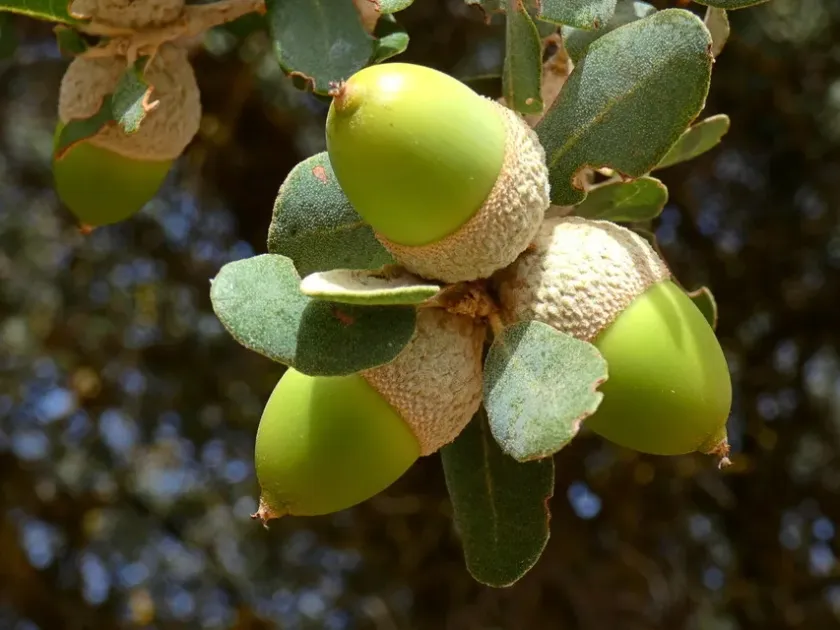
Description
Growing requirements
Auzandri Oak (Quercus x auzandrii) is a recognized hybrid within the Fagaceae family, originating from the natural cross-breeding of Quercus pubescens and Quercus ilex. This tree combines the physiological traits of its parents, adapting well to diverse Mediterranean habitats.
The historical range of this species is largely centered in Southern Europe, specifically France, where it thrives in conditions that offer high solar radiation and moderate to dry climate. It is considered an excellent candidate for reforestation in arid or semi-arid ecological zones.
Regarding soil and site requirements, this oak prefers calcareous, well-drained substrates. It demonstrates significant tolerance for rocky terrain and thin soils where other broadleaf species might struggle to establish a robust root system during the initial growth stages.
Agricultural management of this culture focuses on proper spacing to ensure adequate canopy airflow. While mature trees are drought-tolerant, young saplings benefit from supplemental watering and weeding during the first three years of life to ensure rapid development.
Economically, the Auzandri Oak is valued for its potential in sustainable forestry and landscape architecture. Its wood properties and aesthetic appeal make it a versatile species for both urban greening projects and the restoration of natural woodland ecosystems.
Main diseases and pests
Like other hybrid oaks, this species is susceptible to powdery mildew, especially in environments with high relative humidity and lack of wind exposure. Monitoring leaf health is essential for early intervention and preventing growth suppression.
Pests such as leaf rollers and various gall-forming insects represent a persistent threat to the foliage. These organisms can weaken the tree if infestations become systemic, requiring integrated pest management strategies.
Root system health is vital for the Auzandri Oak, as waterlogged conditions often lead to decay-causing fungi. Selecting an appropriate site with excellent water permeability is the most effective biological defense against such subterranean pathogens.
Stem borers can be detrimental to the tree's vascular system, particularly during periods of environmental stress. Maintaining overall tree vigor through appropriate fertilization and site selection is the best way to reduce susceptibility to these boring insects.
Best practices for disease and pest control include regular inspection of the crown and trunk. Removing dead or infected plant tissue and ensuring optimal soil conditions are the cornerstones of successful long-term cultivation for this oak variety.