
Caucasian English Oak
Quercus robur L. x Quercus macranthera Fisch. & C. A. Mey. ex Hohen.
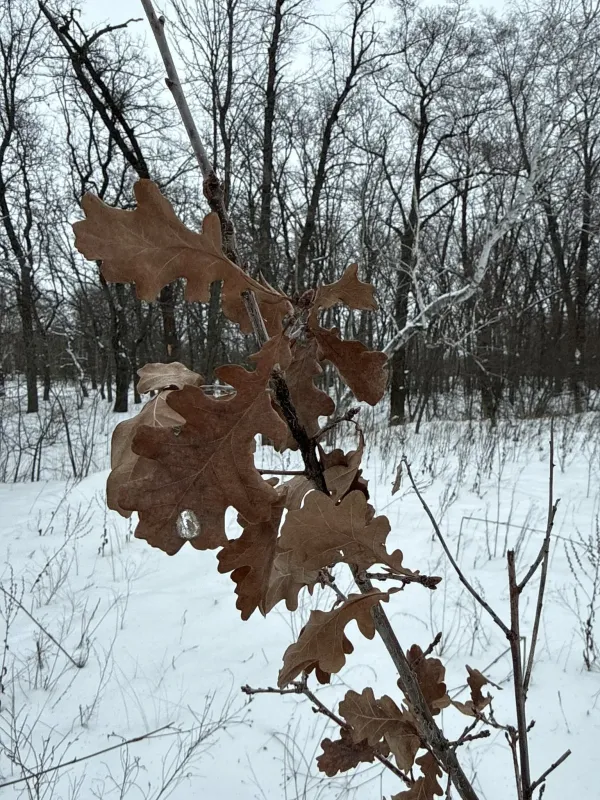
Description
Sowing dates
Sowing acorns of this hybrid is typically performed in the autumn immediately after harvesting to ensure natural stratification in the soil. Professional nurseries also utilize spring sowing, provided the seeds are kept under controlled temperature and humidity conditions to boost germination rates.
The planting depth is generally set between 5 and 8 centimeters, depending on soil texture and moisture content. A standard spacing of 0.8 to 1 meter between rows ensures that each sapling has sufficient space to develop a robust root system during the initial years.
Proper seed selection is critical, focusing on healthy acorns free from insect damage or rot. Treating seeds with specialized fungicides prior to planting is a common practice to prevent fungal infection during the sensitive germination phase.
Nurseries should be situated on well-drained sites to avoid waterlogging, which is detrimental to young oaks. Early sowing encourages the formation of a deep taproot, which is essential for survival in challenging field conditions.
For container-grown stock, transplantation to the permanent site should occur at the age of two to three years. This method significantly improves survival rates in reforestation projects compared to direct seeding in the field.
Growing requirements
This hybrid, a cross between the English oak and the Caucasian oak, is highly valued for combining cold hardiness with drought tolerance. It thrives in deep, fertile, loamy soils that possess a neutral to slightly acidic pH balance.
The species is distinctly heliophilous, requiring full sunlight to develop a well-structured crown and achieve optimal growth rates. Excessive shading in the early years should be mitigated to prevent stunted growth and weak stem formation.
Optimal temperatures for active vegetation range between 20 and 25 degrees Celsius. The hybrid demonstrates resilience against temperature fluctuations, making it suitable for reforestation in mountainous and highland regions where microclimates vary.
Maintaining moderate soil moisture is crucial, as the hybrid is sensitive to both prolonged waterlogging and severe drought. During the establishment phase, supplemental irrigation may be necessary to ensure healthy development.
Applying balanced fertilizers can significantly enhance biomass production, especially in nutrient-poor soils. Mulching around the base of the tree helps maintain soil structure and retains moisture throughout the warmer summer months.
Yield
The primary economic goal for cultivating this hybrid is the production of high-quality timber for furniture and construction. Its faster growth rate compared to pure parental species reduces the time required to reach a profitable harvest age.
The most intensive biomass accumulation occurs during the first 40 to 50 years of growth. This efficiency allows forest managers to implement sustainable harvest cycles while maximizing the output of valuable wood resources.
Seed production in this hybrid is cyclical, but the trees generally provide a reliable source of high-quality acorns for forestry propagation purposes. This capability is vital for long-term population stability in forest reserves.
Timber quality is heavily influenced by site management and pruning practices, which help minimize knots and ensure a uniform grain structure. High-grade timber produced by this hybrid is in significant demand for woodworking industries.
Total productivity per hectare often exceeds that of native oak species, making it an attractive option for modern forest management. Proper silvicultural intervention ensures that the maximum yield potential of the hybrid is achieved.
Main diseases and pests
Powdery mildew represents the most significant phytopathological threat, particularly in dense stands with poor air circulation. Regular monitoring and the application of fungicides are necessary to prevent large-scale leaf damage and growth retardation.
Defoliating insects, such as the oak leaf roller and various geometrid moths, can cause significant damage to the canopy if left unchecked. Implementing biological pest control methods helps mitigate the impact while protecting the local ecosystem.
Stem borers pose a serious threat, primarily targeting weakened trees that are already suffering from environmental stress. Maintaining the health of the stand through sanitation measures is the most effective way to minimize these pest populations.
Root rot pathogens, which thrive in poorly drained soils, can lead to sudden decline and tree mortality. Proper soil preparation and drainage management are essential to prevent the spread of soil-borne diseases.
- Regular inspections of young saplings for signs of fungal or insect attack.
- Sanitary logging of affected or dead trees to eliminate pest reservoirs.
- Utilization of targeted insecticides where biological control is insufficient.
- Continuous soil monitoring to ensure optimal growing conditions and root health.