
Pedunculate oak
Quercus robur L. subsp. pedunculiflora (K. Koch) Menitsky
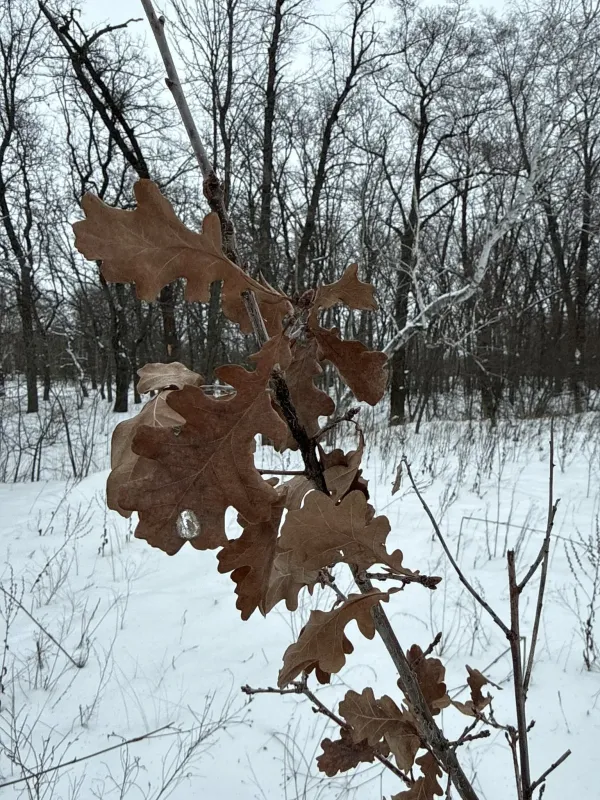
Description
Sowing dates
Sowing pedunculate oak is best performed in the autumn, immediately after collecting the acorns, as they rapidly lose viability if they dry out. Autumn sowing allows seeds to undergo natural stratification in the soil, which ensures uniform germination in the spring.
In nurseries, wide-row sowing is used with spacing up to 1 meter, which facilitates subsequent mechanized care for the seedlings. The depth of acorn placement ranges from 5 to 8 centimeters, depending on the soil texture and mechanical composition.
For spring sowing, acorns require storage in cool conditions with high humidity, such as in sand or sawdust at temperatures between 0 and +2 degrees Celsius. Constant monitoring is necessary to prevent mold growth or premature germination.
The seeding rate is determined by the target density, typically ranging from 15 to 25 acorns per linear meter. Using high-quality seed material sourced from productive mother stands is essential for the success of forest plantations.
To accelerate seedling growth in the first few years, protective tubes or mulching around the base can be used to retain soil moisture and suppress competition from weeds. This practice significantly increases the survival rate of young oaks.
Growing requirements
The pedunculate oak belongs to the Fagaceae family and is a demanding species regarding soil fertility. It thrives best on deep, fresh, humus-rich loams, while avoiding both waterlogged conditions and excessively dry, sandy soils.
This species is light-loving, especially in its youth, and requires sufficient sunlight for proper crown and stem development. However, in the first years of life, it can withstand some lateral shading from other species before requiring thinning.
Regarding climate, the oak prefers a temperate climate with sufficient rainfall during the growing season. Its cold hardiness allows it to survive severe winters, though young shoots are often susceptible to late spring frosts.
The optimal pH range for successful cultivation is between 5.5 and 7.5. In soils with high acidity, seedling growth is significantly stunted, making liming a necessary practice before establishing new forest plantations.
The pedunculate oak develops a powerful taproot system, making it resistant to windthrow. However, this feature limits planting sites in areas with high groundwater levels, where well-drained terrain is preferred for optimal growth.
Yield
The economic value of the pedunculate oak lies in the production of high-quality timber for the furniture industry and construction. The production cycle typically ranges from 80 to 120 years, depending on the growth conditions and the management objectives.
Biomass increment is directly related to the intensity of forest management, including regular thinning operations. These practices allow the tree to focus its resources on forming a straight, knot-free, and high-quality trunk.
Productivity is measured by the volume of timber per hectare, which can reach 300–400 cubic meters at maturity in optimal forestry conditions. Successful plantation management requires strict adherence to technical guidelines throughout all growth stages.
Controlling unwanted vegetation is critical in the first 5 to 10 years, as weeds can significantly suppress young oaks. Proper light management and cleaning ensure optimal height and diameter growth rates.
Beyond timber, oak forests provide significant ecological benefits and supply acorns, which serve as an essential food source for wildlife and as breeding material for forest restoration efforts.
Main diseases and pests
Powdery mildew is one of the most common diseases, affecting the leaves of young trees, causing deformation and premature leaf drop. Treatment involves spraying with specialized fungicides during peak spore release periods.
Necrosis and bark canker pose serious threats to mature trees, leading to weakening and eventual dieback. Preventive measures include maintaining strict forest hygiene and removing infected trees from the plantation to prevent spreading.
Among insect pests, the oak leaf roller is particularly damaging, as its larvae can completely strip the foliage, reducing photosynthetic efficiency. In severe cases, biological control or targeted insecticide application is required.
May beetles and their larvae cause significant damage to the root systems of young seedlings in nurseries. Deep soil cultivation before planting and the use of soil-applied insecticides help to reduce pest populations effectively.
Stem-boring insects, such as jewel beetles and longhorn beetles, often target trees weakened by drought or disease. Regular sanitary cuttings are essential to limit the population of these pests and preserve the overall health of the forest.
Harvesting
Timber harvesting for oak is primarily conducted during the dormant winter season, when sap flow is minimal. This ensures the best physical and mechanical properties of the wood after subsequent drying and processing.
Harvesting technology includes felling, delimbing, and bucking into assortments based on quality standards. Modern logging equipment is utilized to minimize damage to the remaining stand and the surrounding ecosystem.
Acorn collection for forest management is performed manually or mechanically during peak maturation in the autumn. It is crucial to collect the material before heavy frosts occur to ensure seed viability for future planting.
After collection, the acorns undergo cleaning and quality control to remove debris and seeds damaged by pests. High-quality seeds should be dense, heavy, and possess an intact shell to ensure successful germination.
Storage requires strictly controlled low-temperature and high-humidity conditions to prevent premature germination or decay before the seeds are planted in the nursery for the next production cycle.