
Bruttian oak
Quercus robur L. subsp. brutia (Ten.) O. Schwarz
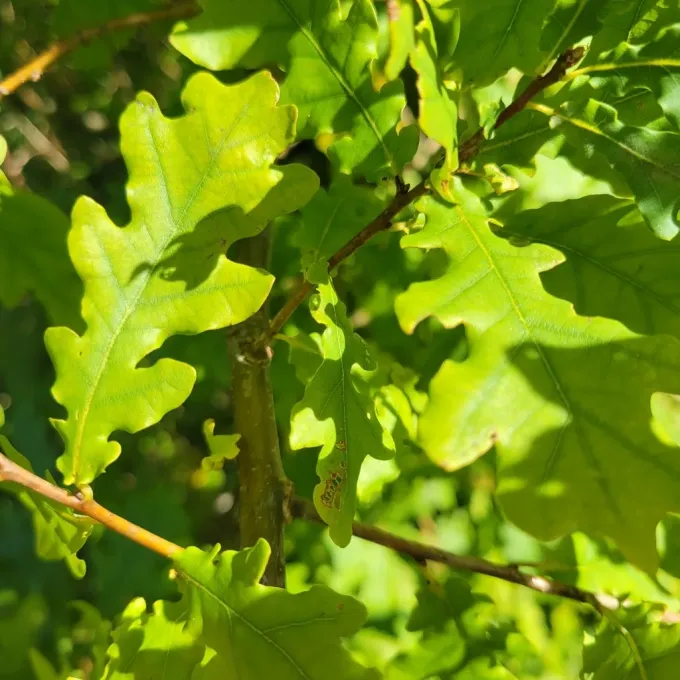
Description
Sowing dates
Sowing acorns of the Bruttian oak in forest nurseries is typically carried out in autumn immediately after harvest or in spring after cold stratification.
Successful germination requires precise temperature control and sufficient substrate moisture to prevent the embryo from drying out.
The optimal planting depth for acorns is 5–8 centimeters, which protects them from premature germination and damage by rodents.
When sowing in spring, it is crucial to use properly prepared seed material, as acorns of this subspecies lose their viability quite quickly.
The sowing pattern must provide enough space for root system development, ensuring strong initial growth in the early years of the sapling's life.
Growing requirements
The Bruttian oak, a member of the Fagaceae family, is a tree species naturally adapted to specific Mediterranean environmental conditions.
This crop requires fertile, deep, fresh, and loamy soils with a neutral or slightly acidic pH to achieve optimal growth rates.
This subspecies is thermophilic and less resistant to severe frost compared to the common pedunculate oak, limiting its range to milder climates.
The tree is heliophilous (light-demanding) and thrives in open areas with full sun exposure, which is necessary for proper canopy development.
Maintaining optimal groundwater levels is essential in forestry management, as excessive moisture can lead to root suppression and tree decline.
Main diseases and pests
The culture is susceptible to powdery mildew, which poses a significant threat to young seedlings in nurseries, especially during humid weather.
Common pests include leaf rollers and acorn weevils, which can cause significant damage to the foliage and reproductive output during outbreaks.
Fungal bark diseases and root rots can occur if agronomic standards are neglected or if the trees' immune systems are weakened by environmental stress.
To control the spread of diseases, timely sanitary pruning and the application of appropriate fungicides on infected areas are necessary.
Integrated monitoring of the stands allows for early detection of pest activity, enabling the use of biological or chemical control methods to minimize losses.
Harvesting
Commercial utilization of Bruttian oak timber requires a long production cycle that can span several decades until technical maturity is reached.
Final harvest operations are conducted when the tree attains the required physical and mechanical properties suitable for high-quality wood processing.
Timber harvesting includes felling, bucking, and grading logs for use in furniture making, high-end flooring, and premium construction applications.
Seed collection (acorns) is carried out during years of high yield to ensure the natural regeneration and reforestation of the timber stands.
Proper forest management ensures the long-term sustainability of the population and allows for the rational use of this valuable natural resource.