
Iberian oak
Quercus petraea (Matt.) Liebl. subsp. iberica (Steven ex M. Bieb.) Krassiln.
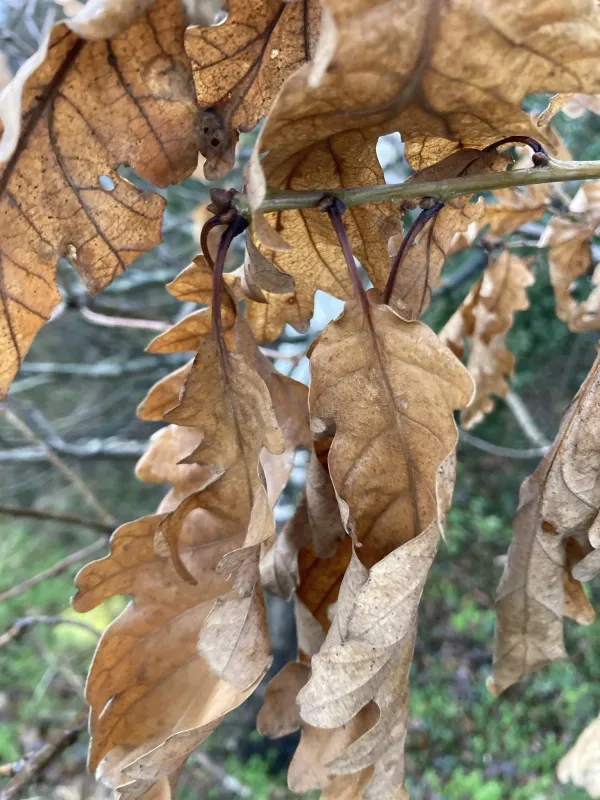
Description
Sowing dates
Sowing of Iberian oak acorns is best performed in the autumn immediately after harvest. This allows the seeds to undergo natural stratification during the winter months, which is critical for ensuring high germination rates in the spring.
When sowing in nurseries, acorns should be placed at a depth of 5–7 centimeters. Maintaining proper spacing is essential to encourage the development of a robust root system and to prevent the seedlings from competing for space as they grow.
If spring sowing is necessary, acorns must be stored under controlled conditions at temperatures of 1–3 degrees Celsius with moderate humidity to maintain viability and prevent premature sprouting or dehydration.
The use of containerized seedlings with a closed root system has become a standard in modern forestry. This method minimizes transplant shock and allows for a flexible planting schedule throughout the growing season.
Site preparation, including clearing competition from weeds and grasses, is necessary before planting to ensure that the young oaks receive enough light and moisture during their establishment phase.
Growing requirements
The Iberian oak, belonging to the Fagaceae family, is a distinct subspecies of the sessile oak (Quercus petraea). It thrives in moderate climates and is well-adapted to the mountainous and hilly landscapes of its native range.
The species prefers deep, well-drained loamy or sandy-loam soils with good aeration. It is highly sensitive to waterlogged conditions, which can lead to root rot and diminished vigor, making drainage a priority for site selection.
Soil pH should ideally range between 5.5 and 7.0. While the species is somewhat adaptable, soils that are too alkaline may induce iron chlorosis, affecting leaf color and the overall photosynthetic efficiency of the tree.
Regarding light, the Iberian oak is moderately shade-tolerant during its juvenile stage but becomes increasingly light-demanding as it matures. Full sunlight is necessary for the development of a dense, healthy crown and for optimal annual wood increment.
The trees also require moderate humidity levels. While they can withstand periods of dry weather once established, young saplings need consistent soil moisture to thrive during their first three to five years of development.
Main diseases and pests
Powdery mildew (Microsphaera alphitoides) is the most significant fungal threat, particularly in dense nursery environments where airflow is restricted, causing the curling and drying of young leaves.
Insect pests, including the green oak leaf roller (Tortrix viridana) and various acorn weevils, pose risks to both the foliage and the regenerative potential of the stands by damaging seeds and young shoots.
Stem-boring insects, such as jewel beetles (Buprestidae) and certain bark beetles, tend to attack trees that are already stressed by drought or environmental factors, leading to rapid decline if not managed through sanitation.
Root system health is often compromised by fungal pathogens in overly moist soils, which can lead to progressive dieback. Regular monitoring and silvicultural interventions are key to maintaining long-term forest health.
- Oak powdery mildew.
- Green oak leaf roller.
- Acorn weevils.
- Wood-boring beetles.
- Root decay fungi.