
Holly oak ballota
Quercus ilex L. subsp. ballota (Desf.) Samp.
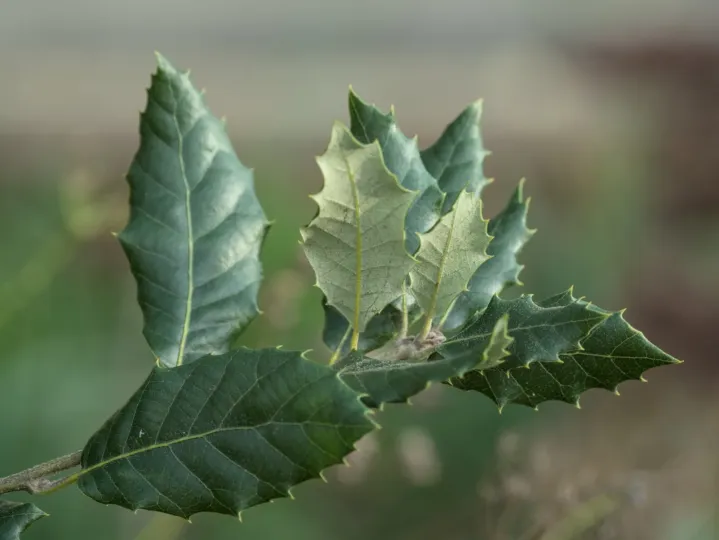
Description
Sowing dates
Sowing of Holly oak ballota seeds is typically conducted in autumn, immediately following the harvest, to benefit from natural stratification within the soil. In commercial nurseries, spring sowing is also common, provided that acorns have been stored in cool, moist conditions at temperatures between 0 and +5 degrees Celsius.
Seeds should be planted at a depth of 5–8 centimeters, depending on soil composition and density. Ensuring firm contact between the acorn and the soil is vital to prevent embryo desiccation and to promote uniform germination across the field.
When grown in nurseries, row spacing should be at least 60–80 centimeters to provide sufficient space for nutrient uptake. This promotes the development of a robust root system, which is critical for successful transplantation to the final growing site.
The optimal time for transplanting young saplings is during the dormant period, either early spring or late autumn. Care must be taken to avoid damaging the taproot, as its integrity is the most significant factor in the seedling's establishment and survival rate.
For accelerated growth, mulching the base of the saplings with organic matter is highly recommended. This practice helps maintain soil moisture levels and effectively suppresses competing weeds that would otherwise rob the young trees of essential nutrients.
Growing requirements
Holly oak ballota is a member of the Fagaceae family, naturally adapted to Mediterranean climates characterized by hot, dry summers and mild, wet winters. This culture exhibits excellent drought tolerance and can thrive in areas with annual rainfall as low as 400 millimeters.
The tree prefers well-drained limestone or rocky soils but exhibits great adaptability to various soil types, provided that long-term waterlogging is avoided. It thrives in soil pH levels ranging from neutral to slightly alkaline.
As a light-demanding species, this oak performs poorly when shaded during its early developmental stages. To ensure a healthy crown structure and maximum acorn yields, the site must be open with ample sunlight exposure and good air circulation.
Mature trees show resilience against short-term frosts; however, for intensive cultivation, site selection should prioritize locations with a low risk of late spring frosts. Frost hardiness generally improves as the tree matures and its bark thickens.
Agronomic management includes regular sanitary pruning to maintain a well-formed canopy and to remove dead or diseased branches. In periods of extreme drought, supplemental irrigation is beneficial for young trees until their deep root systems are fully established.
Yield
The primary economic output of this culture is its sweet, edible acorns, which are superior in flavor and culinary quality to those of common oak varieties. Yield is highly dependent on the tree's age, planting density, and weather conditions during the flowering season.
Acorn production typically begins when trees reach 15–20 years of age, with peak productivity occurring during the tree's maturity phase. Due to their high carbohydrate content and low tannin levels, these acorns are a prized feed resource for livestock, particularly for finishing Iberian pigs.
An average mature tree can yield between 20 and 50 kilograms of acorns per year. Under favorable conditions in well-managed plantations, these figures can be significantly higher, enhancing the economic viability of the crop in agroforestry systems.
Product quality is determined by genetic traits, soil nutrient status, and moisture availability during the kernel-filling stage. Keeping the area under the canopy clear of debris and excessive vegetation improves the commercial quality of the harvested nuts.
Harvesting takes place during the period of natural fruit drop, which usually spans the autumn months. The use of mechanized harvest aids can significantly increase efficiency and reduce the overall labor costs associated with post-harvest processing.
Main diseases and pests
The most severe threat to plantations is the fungal pathogen Phytophthora cinnamomi, which causes crown dieback and tree mortality. Preventive measures include careful soil moisture monitoring and rigorous sanitary protocols to maintain ecosystem health.
Among insect pests, weevils represent a major challenge, as their larvae develop within the acorns, severely reducing their nutritional value. Additionally, various leaf-rolling caterpillars can cause significant defoliation to young shoots.
During prolonged drought periods, weakened trees become susceptible to bark beetle infestations. Timely removal of affected wood and maintaining optimal tree vigor through sound agronomic practices are the primary defense strategies.
Infectious bark diseases, such as necrosis, require regular monitoring and strict disinfection of pruning tools. Utilizing rootstocks that show natural resistance to local pathogen strains can greatly enhance the longevity and resilience of the plantation.
Wildlife, particularly wild boars and rodents, can cause damage by gnawing on sapling bark or consuming large quantities of acorns, which inhibits natural regeneration. Installing protective fencing around young plantings is a standard and necessary defense measure.
Harvesting
Harvesting is primarily achieved by gathering fallen fruits from the ground, which requires prior clearing of the area beneath the canopy. Removing grass and undergrowth significantly simplifies the collection process and minimizes contamination.
Collected acorns undergo a primary sorting process to remove damaged, rotten, or dried-out specimens. This initial grading ensures that the final batch remains of high quality, which is essential for storage longevity and market value.
After sorting, the acorns must be dried promptly in well-ventilated facilities to prevent fungal growth. Ideally, the moisture content should be reduced to approximately 10–12 percent before the nuts are placed into long-term storage.
Storage should be conducted in cool, dry, and airy environments using mesh bags or wooden crates. Protecting the stock from rodents and excess humidity is crucial to preventing significant losses in the volume of the gathered crop.
Depending on the final use—whether for livestock feed or industrial processing into flour—the acorns may undergo additional cleaning to remove the pericarp or soaking in running water to leach out remaining bitter compounds if necessary.