
Hybrid white and swamp chestnut oak
Quercus alba x Quercus michauxii x Quercus michauxii
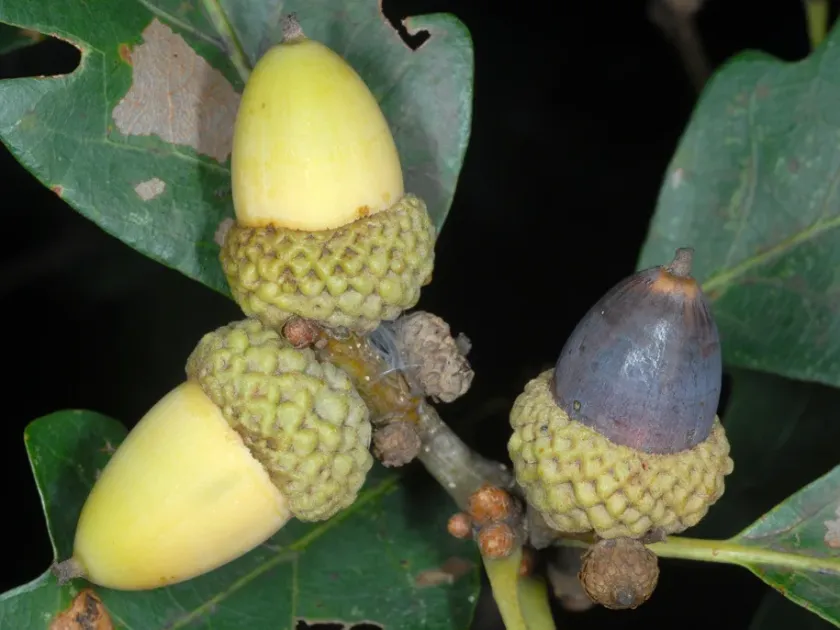
Description
Sowing dates
Sowing acorns of this hybrid should ideally take place in the autumn to benefit from natural stratification. If spring sowing is necessary, acorns must undergo cold stratification at 0-5 degrees Celsius for 60 to 90 days to ensure high germination rates.
The planting depth should be approximately 3 to 5 centimeters, depending on the soil texture. Proper soil moisture must be maintained, as these acorns are susceptible to desiccation, which can rapidly reduce their viability.
Nursery cultivation requires rows spaced about 50 to 80 centimeters apart to prevent overcrowding and ensure adequate airflow. Using high-quality organic substrates encourages the development of a robust taproot system early on.
Initial growth can be stimulated by applying balanced fertilizers during the first season of growth. Thinning seedlings once they reach 10-15 centimeters in height is essential for selecting the most vigorous specimens.
This hybrid, belonging to the Fagaceae family, combines the drought tolerance of white oak with the robust growth characteristics of the swamp chestnut oak, making it a valuable addition to commercial plantations.
Growing requirements
This oak hybrid thrives in deep, fertile, loamy soils that possess a neutral to slightly acidic pH level. It demonstrates exceptional adaptability, surviving in both moderately well-drained sites and areas prone to occasional flooding.
Full solar exposure is a primary requirement for this species. When planted in open, well-lit environments, the trees develop straight trunks and healthy, expansive crowns, which are vital for timber production and ecological services.
The climate should be temperate with sufficient rainfall throughout the growing season. While generally cold-hardy, younger trees may require protection from late spring frosts which can damage the tender, newly emerged leaves.
Good soil aeration is critical, especially in clay-heavy regions. Implementing drainage solutions if the soil remains waterlogged for extended periods is necessary to maintain the health of the subterranean parts of the plant.
Maintaining a weed-free zone around the base of the tree for the first three years of establishment significantly improves growth rates. Organic mulch can be applied to regulate soil temperature and suppress competing vegetation.
Main diseases and pests
Powdery mildew is a common fungal threat, particularly in humid conditions with low airflow. Preventive measures include regular pruning to improve air circulation within the canopy and applying fungicides during high-risk periods.
Insect pests, such as leaf rollers and oak lace bugs, can cause substantial damage to the foliage. Integrated pest management, focusing on biological controls and monitoring, is recommended for long-term health management.
Root rot, driven by poor drainage, remains a severe threat to tree vitality. Ensuring the site is appropriately prepared with adequate drainage is the most effective prevention against root-related pathologies.
Anthracnose can cause necrotic spots and premature leaf drop. Removing and destroying fallen leaf litter helps reduce the inoculum level for the following growing season, preventing repeated infections.
Animal damage from rodents or deer grazing on tender bark can be mitigated by installing protective guards around the trunk. These physical barriers are essential during the establishment phase in open reforestation projects.