
Pyronia Veitchii
Pyronia veitchii
Description
Growing requirements
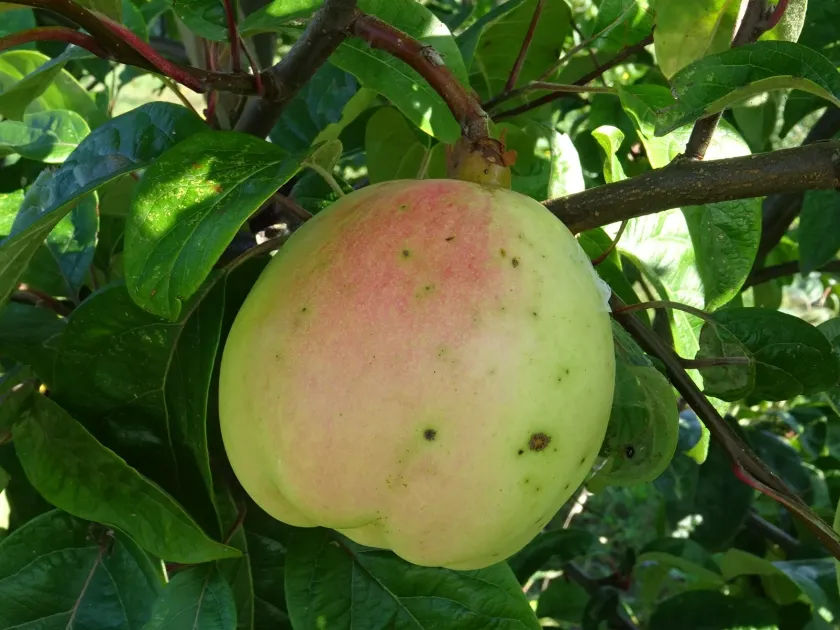
Pyronia veitchii is a rare intergeneric hybrid originating from the cross between a pear (Pyrus communis) and a quince (Cydonia oblonga). Belonging to the Rosaceae family, this plant is a botanical curiosity highly valued by fruit tree collectors.
The tree exhibits hybrid vigor, resulting in a moderate growth rate with a dense, rounded crown. It displays intermediate foliage characteristics between its pear and quince parents, making it an ornamental addition to specialized orchards.
It requires deep, well-drained, slightly acidic soil to thrive. Like most members of the Rosaceae family, it avoids stagnant water which can cause root rot, so proper drainage is an essential factor for long-term health.
Climate suitability is best in temperate zones with consistent rainfall and warm summers. While it can withstand moderate frosts, protection for young trees during harsh winters is highly recommended for survival.
The cultural practice focuses on pruning, which is necessary to maintain the shape and stimulate fruit production. Mulching the base of the tree is beneficial for maintaining soil moisture and temperature stability.
Main diseases and pests
The main pathological threat to Pyronia veitchii is fire blight, caused by the bacterium Erwinia amylovora, which can spread rapidly during warm, wet springs.
Fungal infections such as scab and leaf spot can also cause premature defoliation, significantly stressing the tree and reducing its annual vigor and fruit yield.
Pests like aphids, spider mites, and scale insects frequently infest the succulent new growth of the tree, necessitating regular inspections to prevent infestation.
Chemical control should be applied sparingly, focusing on integrated pest management (IPM) techniques to maintain the ecological balance of the garden environment.
Good sanitation, including pruning out infected branches and clearing debris under the canopy, is the most effective way to prevent the recurrence of common orchard diseases.