
Pyrocydonia danielii
Pyrocydonia danielii
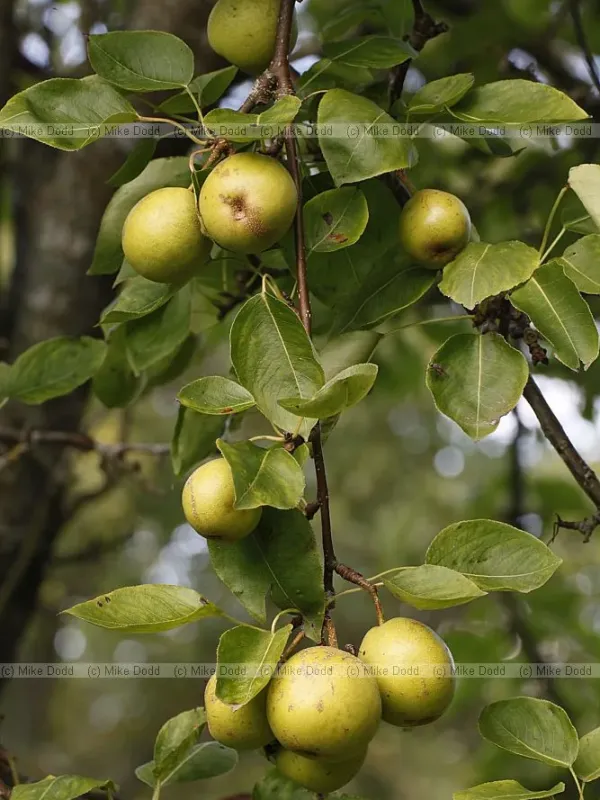
Description
Sowing dates
Propagation of Pyrocydonia danielii is primarily achieved through vegetative methods, as this is a complex intergeneric hybrid. Planting seedlings is best performed during spring or autumn dormancy periods.
The optimal time for establishing the orchard is early spring before active sap flow begins. In southern regions, autumn planting is viable, allowing the root system to adapt before the onset of winter frosts.
When planting, it is crucial to maintain appropriate spacing between trees, accounting for the growth vigor of the rootstock. This ensures adequate light penetration and simplifies orchard management tasks.
Proper preparation of the planting pit involves adding organic matter and ensuring good drainage. The root collar must be positioned exactly at the soil surface level for the tree to thrive.
Following planting, a generous irrigation is necessary, along with mulching the tree ring. This practice retains soil moisture and protects the root system from overheating during the first season.
Growing requirements
Pyrocydonia danielii belongs to the Rosaceae family and is an artificial hybrid derived from grafting pear onto quince. It inherits biological characteristics from both parent genera.
The culture prefers well-drained, fertile loam soils with a neutral or slightly acidic pH. Excess lime in the soil can trigger iron chlorosis in the leaves.
Climate requirements are specific: the hybrid performs best in moderately warm conditions with consistent rainfall. During drought spells, regular irrigation is essential for survival.
Trees are light-demanding and should be located in open areas sheltered from strong, cold winds. Shading leads to reduced yields and lower winter hardiness of the shoots.
Agricultural practices must include annual pruning and training to maintain tree architecture. This is vital for balancing vegetative growth with fruit production and ensuring good air circulation.
Yield
The yield of Pyrocydonia danielii depends heavily on graft compatibility and consistent care. The fruits typically possess flavor profiles characteristic of high-quality pears.
Fruiting generally commences 3–5 years after planting. With correct management, the tree can provide stable annual yields for many years.
Increasing productivity requires balanced application of mineral fertilizers, particularly potassium and phosphorus, during the fruit setting stage.
In favorable years, trees show high fruit set rates. When crop loads are excessive, fruit thinning is recommended to maintain optimal size and prevent tree exhaustion.
Implementing modern irrigation techniques, such as drip systems, significantly boosts total yield. The crop is highly responsive to consistent moisture levels during the development phase.
Main diseases and pests
Common threats include pear scab and moniliosis, which affect leaves and fruits. These require systematic fungicide applications to keep the infection pressure low.
Fire blight is a serious bacterial disease requiring immediate pruning and disposal of affected branches. Sanitizing pruning tools is mandatory to prevent cross-contamination.
Pests such as pear psylla and codling moth can cause significant damage. Early detection and targeted insecticide treatments are necessary to protect the harvest.
Preventative spraying during the early spring helps reduce pest populations significantly. A holistic integrated pest management approach is key to orchard longevity.
Regular inspection of trees is vital for early identification of problems. Prompt intervention helps localize threats and ensures that the tree remains productive and healthy.