
Pyramidula tetragona
Pyramidula tetragona
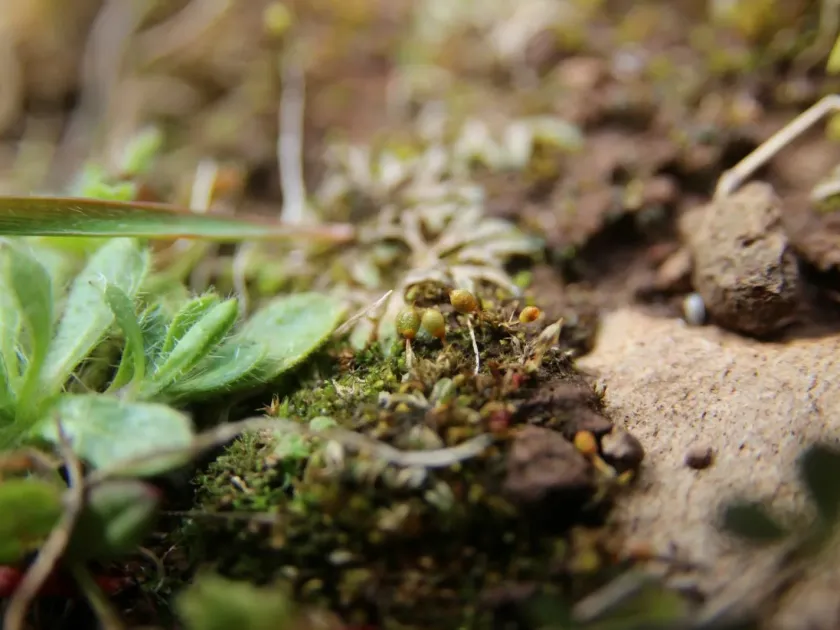
Description
Sowing dates
The sowing of Pyramidula tetragona is a critical process that requires adherence to specific thermal conditions. It is essential to wait until the soil temperature consistently reaches 10–12 degrees Celsius to ensure proper seed germination.
Prior to planting, seeds often undergo a stratification process to break dormancy and increase overall uniformity of emergence. The depth of sowing must be controlled, ideally between 1 and 2 centimeters, to prevent poor stand establishment due to deep placement.
Greenhouse or indoor nursery methods are recommended for regions with short growing seasons. Starting plants indoors in late winter ensures a stronger root system before transplanting into the field once the frost risk has passed.
Spacing during sowing is a key factor in maximizing yield potential while maintaining plant health. Proper row intervals facilitate airflow and light penetration, which are necessary for the development of each plant throughout the season.
Autumn sowing is feasible in temperate zones where winter conditions provide natural stratification. However, precautions must be taken to prevent late-autumn germination, which could expose young seedlings to severe winter frosts.
Growing requirements
Pyramidula tetragona thrives in well-structured, loamy soils that possess excellent drainage properties. A neutral soil pH level is typically ideal for the optimal absorption of nutrients required for healthy vegetative growth.
This crop requires significant sunlight but is sensitive to excessive heat stress. In regions with intense solar radiation, providing partial shade or ensuring adequate soil moisture is essential to prevent wilting and damage to the foliage.
Water management should focus on consistency rather than volume. Drip irrigation systems are the most efficient method to keep the root zone hydrated while avoiding the development of root-borne pathogens due to waterlogging.
Fertilization regimes should be based on periodic soil testing to balance nitrogen, phosphorus, and potassium levels. Organic amendments are highly effective in improving soil structure and supporting long-term nutrient availability.
The site selection should prioritize protection from strong, prevailing winds that can cause physical damage to stems. Selecting sheltered areas within the landscape significantly contributes to maintaining a stable microclimate for the plants.
Main diseases and pests
Fungal pathogens represent the primary threat to Pyramidula tetragona, particularly during periods of high humidity and stagnant air. Root rot is a common issue that occurs when soil moisture levels exceed the plant's requirements.
Insect pests, including aphids and spider mites, can cause significant damage if populations are not managed early. Integrated pest management, emphasizing biological controls, is preferred to protect the integrity of the crop.
Weed control is vital during the establishment phase, as the young seedlings are highly sensitive to competition for water and nutrients. Mechanical cultivation between rows is often the most effective method for controlling invasive species.
Crop rotation is an essential agricultural practice to prevent the build-up of soil-borne pathogens. A minimum three-year rotation cycle with non-host crops is recommended to maintain soil health and suppress disease incidence.
Regular field scouting is necessary to identify early symptoms of disease or pest outbreaks. Quick and decisive action, such as pruning affected parts or applying targeted treatments, is crucial for preserving the total yield of the harvest.