
Pycnocomon rutifolium
Pycnocomon rutifolium
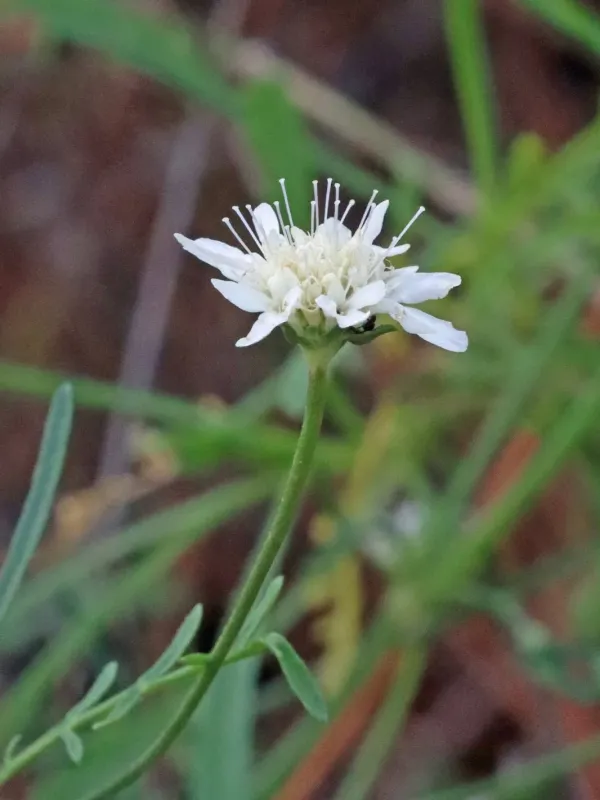
Description
Growing requirements
Pycnocomon rutifolium is a perennial herbaceous plant belonging to the Dipsacaceae family. Originally native to the Mediterranean basin, it is recognized for its adaptation to rocky, calcareous terrain and arid environmental conditions.
The plant exhibits significant xerophytic characteristics, meaning it thrives in well-drained soils with minimal moisture retention. It is essential to ensure that the planting site has excellent drainage to prevent root asphyxiation, as the plant is highly sensitive to waterlogged environments.
Regarding light requirements, Pycnocomon rutifolium demands full sun exposure to complete its life cycle effectively. In cultivation, positioning plants in sheltered areas with maximal sunlight is crucial for maintaining the structural integrity and health of the stems.
Soil quality should lean towards alkaline or neutral pH levels. While the plant can tolerate nutrient-poor soils, a moderate supply of minerals during the early stages of growth can significantly improve the establishment of the root system.
The climate preference is definitively Mediterranean, characterized by hot, dry summers and mild, wet winters. Growers in regions with harsh freezing conditions must prioritize frost protection strategies to ensure the survival of the plant during dormancy.
Main diseases and pests
Pycnocomon rutifolium is generally resistant to a wide range of common agricultural pests and diseases when kept in appropriate environmental conditions. Its primary vulnerability lies in soil-borne pathogens.
Root and crown rot are the most frequent threats, usually triggered by excessive irrigation or lack of proper soil aeration. These conditions encourage the growth of pathogenic fungi, which can be fatal to the plant.
Insects such as aphids may occasionally congregate on the tender parts of the plant during the flowering stage, though they rarely cause structural damage requiring intervention with heavy chemical pesticides.
Managing the surrounding microclimate is the most effective defense strategy. By keeping the foliage dry and maintaining airflow between individual plants, the risk of disease spread is kept to a minimum.
Integrated pest management protocols suggest that manual removal of affected parts or utilizing organic deterrents is sufficient to maintain crop health throughout the growing season.