
Pupalia lappacea
Pupalia lappacea
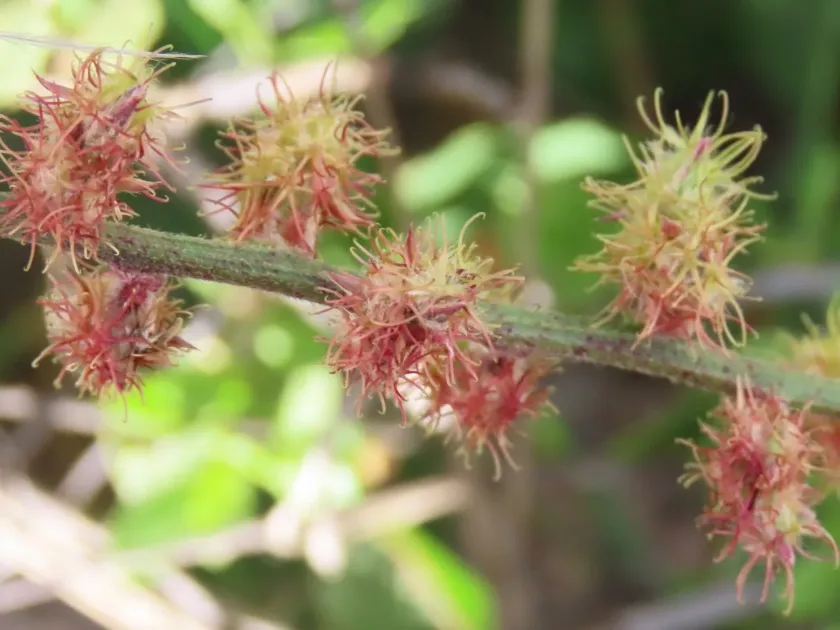
Description
Sowing dates
Pupalia lappacea, a member of the Amaranthaceae family, thrives primarily through seed propagation. The seeds are characterized by high viability and are adapted to colonize diverse environments rapidly.
The optimal sowing time begins after the onset of the rainy season, ensuring the soil remains moist enough for germination and subsequent development of the root system.
Proper spacing is crucial for cultivation, as the plant exhibits vigorous vegetative growth. Spacing allows for maximum airflow and prevents the development of fungal diseases between plants.
Seeds should be sown at a shallow depth of approximately 1-2 centimeters. Their natural ability to disperse through animal contact makes them highly effective at colonizing disturbed soils.
No complex treatment is required for seed germination, making Pupalia lappacea an accessible crop for smallholder farmers in tropical and arid regions.
Growing requirements
Native to Africa, the Arabian Peninsula, and India, Pupalia lappacea is a sun-loving plant that thrives in open, high-intensity light conditions. It is well-adapted to hot and arid climates.
The plant is highly tolerant to various soil types, ranging from sandy and rocky terrains to heavier loams, provided there is good internal soil drainage to prevent root rot.
Ideal temperatures for growth fall between 22°C and 32°C. While the plant can withstand short periods of drought, sustained moisture significantly boosts biomass production.
Pupalia lappacea is sensitive to frost and cold temperatures, which cause immediate tissue damage. In temperate regions, it is cultivated strictly as an annual plant.
Agricultural management should focus on regular inter-row cultivation to keep the soil loose and aerated, which promotes better nutrient absorption and root development.
Yield
The primary agricultural utility of Pupalia lappacea is the production of green fodder. It serves as a vital nutritional source for livestock in regions where forage grasses are limited.
Yield capacity is determined by moisture availability and soil nitrogen levels. With sufficient care, the plant can provide multiple cuts of foliage within a single growing season.
Secondary uses include medicinal applications, where specific parts of the plant, such as roots and leaves, are harvested for traditional pharmaceutical purposes.
As a resilient species, it contributes to soil stability and land restoration, helping prevent erosion in degraded areas of its native distribution range.
Farmers note that the plant's rapid regenerative capacity allows for high productivity even under moderate grazing pressure or frequent harvesting cycles.
Main diseases and pests
Common agricultural threats include leaf-eating caterpillars and aphids, which can significantly reduce the photosynthetic surface area if not managed promptly.
Fungal pathogens such as powdery mildew may appear during periods of high humidity or poor ventilation within the crop canopy, leading to premature leaf drop.
Root rot remains the most significant threat to plant health, typically caused by waterlogged soil conditions following excessive rain or poor irrigation management.
Nematode infestations in the root zone can hinder plant vigor. Implementing crop rotation helps mitigate the buildup of soil-borne pathogens and pests over time.
- Implementing regular pest monitoring programs.
- Ensuring adequate plant density to facilitate airflow.
- Removing infected plant parts to prevent the spread of localized diseases.
Harvesting
Green fodder harvest is most effective before the onset of the flowering stage, as this ensures the foliage remains tender and nutrient-dense without excessive lignification.
Seed harvesting should be synchronized with the maturation of the fruit clusters, which are equipped with velcro-like burs that facilitate seed transport.
For fodder storage, foliage should be dried in a shaded, well-ventilated area to preserve the vitamin and mineral content that direct sunlight might degrade.
Roots destined for medicinal use are typically harvested during the dormant phase when the concentration of bioactive compounds is at its peak.
Incorporating crop residues into the soil after harvest acts as a green manure, effectively returning organic matter to the soil to improve long-term fertility.