
Eastern pasqueflower
Pulsatilla patens
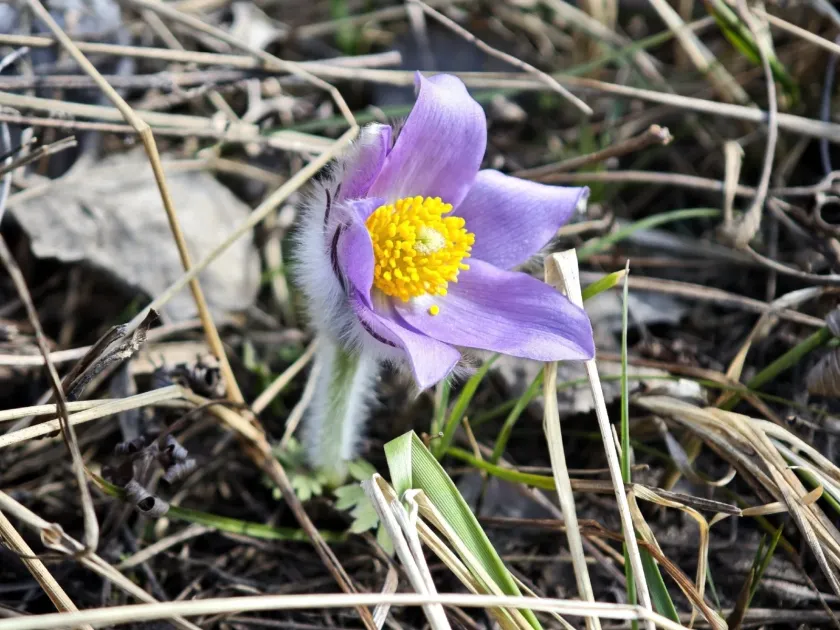
Description
Sowing dates
Propagation of Pulsatilla patens is primarily achieved through seeds, which require specific conditions for germination due to their natural dormancy mechanisms.
For best results, seeds should be sown fresh in early summer or stratified in a cool environment for several weeks before spring planting in a well-prepared seedbed.
The seeds should be sown shallowly, as they require light to germinate effectively, and the soil must be kept consistently moist but not waterlogged during the sprouting phase.
Transplanting seedlings is highly risky due to the plant's delicate taproot system, which is prone to shock and damage, leading to poor establishment in the garden.
Proper spacing is crucial for the development of mature plants, requiring at least 30 centimeters between specimens to allow for adequate airflow and nutrient access.
Growing requirements
Belonging to the Ranunculaceae family, the Eastern pasqueflower thrives in well-drained, sandy, or rocky soils that mimic its natural habitat in open prairies and dry slopes.
Full sun exposure is a critical requirement for this species, as shading or lack of light will result in weak growth and reduced flowering performance throughout the season.
The plant demonstrates remarkable drought tolerance once established, making it a suitable choice for rock gardens and xeriscaping projects in temperate climates.
Soil pH should ideally be neutral to slightly alkaline, and the addition of organic compost should be limited to avoid nutrient excess that compromises the plant's hardiness.
Excellent drainage is the most vital aspect of its cultivation, as the crown of the plant is highly susceptible to rotting if moisture levels remain high for extended periods.
Main diseases and pests
Fungal diseases are the primary threat to this crop, particularly root rot, which is induced by excessive moisture and poor soil aeration in the planting zone.
Leaves and stems may be affected by various blights if humidity levels remain high, leading to tissue damage and the eventual decline of the plant’s decorative value.
Pests such as aphids or subterranean nematodes can occasionally attack the plant, weakening its immune system and making it more susceptible to environmental stress.
Preventive measures include maintaining proper plant spacing to ensure airflow, strictly controlling watering regimes, and avoiding water contact with the foliage.
Integrated pest management, including regular inspection and the use of targeted fungicides only when necessary, remains the best practice for maintaining a healthy population.