
Mountain pasqueflower
Pulsatilla montana
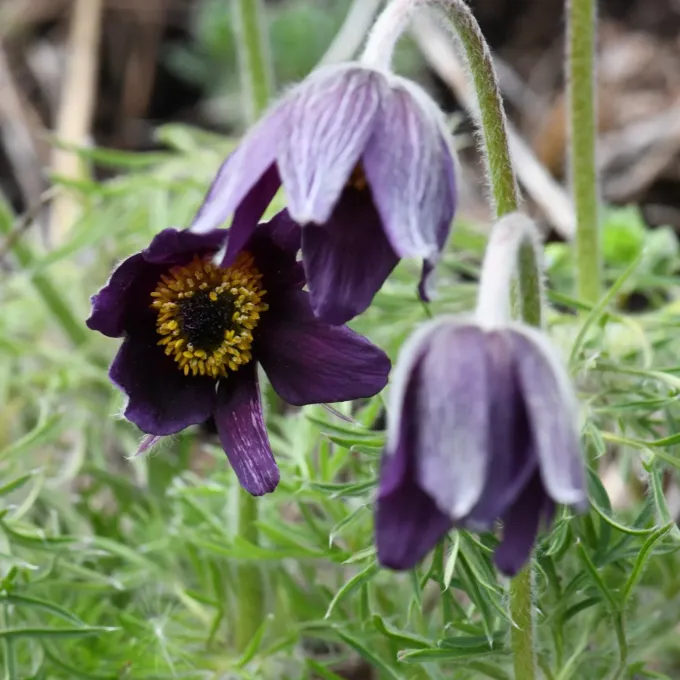
Description
Sowing dates
Sowing mountain pasqueflower is most effective when performed with fresh seeds immediately after harvest to ensure maximum germination rates in the garden bed.
For stored seeds, cold stratification for at least two to three months is essential to simulate natural winter conditions and break seed dormancy effectively.
Sow seeds in a well-drained, porous growing medium, covering them only very lightly, as light is a critical factor for the healthy development of seedlings.
Maintain consistent moisture during the germination phase, but avoid waterlogging, which can lead to fungal attacks and the loss of young seedlings.
Transplant young plants to their final location while they are still small to prevent damage to their sensitive taproot, which does not tolerate disturbance well.
Growing requirements
The mountain pasqueflower is a herbaceous perennial member of the Ranunculaceae family, naturally occurring in alpine and rocky meadows across Europe.
It demands full sun exposure and performs best in gritty, alkaline, and nutrient-poor soils, which mimic its natural mountainous habitat conditions.
The plant is highly drought-tolerant once established, preferring drier conditions over wet, heavy soils that may encourage root rot during dormant months.
Excellent soil drainage is the most vital requirement, especially in regions with high rainfall, where elevated beds or rock gardens are recommended for planting.
The species is perfectly adapted to cold temperatures and does not require winter protection, showing high resistance to frost and harsh continental climates.
Main diseases and pests
Grey mold is a significant concern for mountain pasqueflower during periods of high humidity, particularly if the plants are crowded with poor air circulation.
Powdery mildew may develop on foliage during warm, dry weather, potentially weakening the plant and reducing its aesthetic appeal in the landscape.
Slugs and snails are the primary pests that can devastate new growth and buds, requiring vigilant monitoring and management, especially in early spring months.
Root damage caused by soil-dwelling insects like wireworms can lead to structural weakness, making the plant more susceptible to opportunistic pathogens.
Good cultural practices, such as providing adequate spacing and keeping the crown area free of heavy mulch, help mitigate the risk of these common issues.