
Ptychopyxis costata
Ptychopyxis costata
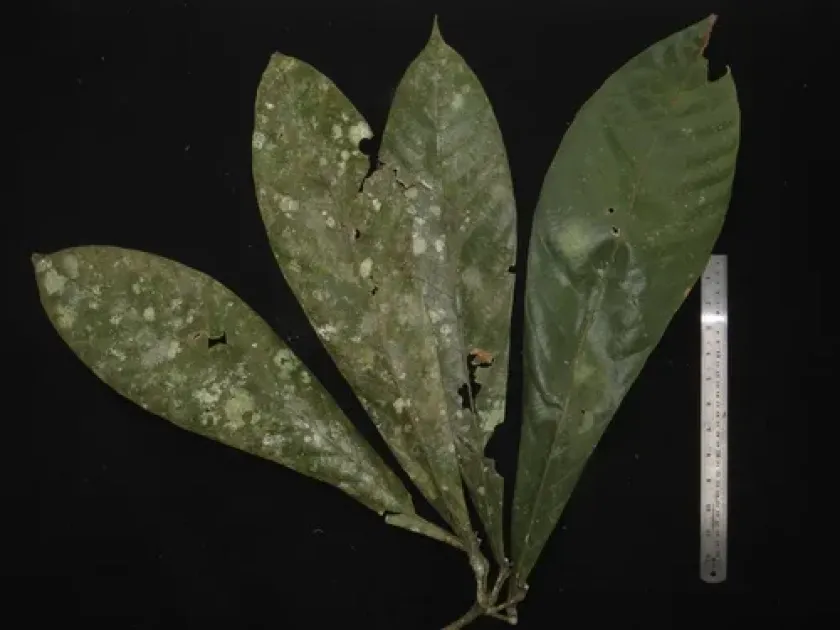
Description
Growing requirements
Ptychopyxis costata is a notable species belonging to the Euphorbiaceae family. This tree is native to the tropical rainforests of Southeast Asia, thriving in regions such as Malaysia and the Philippines where the climate remains consistently humid and warm throughout the year.
The successful growth of this plant depends on specific environmental parameters. It requires an average annual temperature that does not drop significantly, paired with high levels of humidity that support its physiological processes in the dense forest understory.
Soil requirements involve well-drained but moisture-retentive substrates. The plant exhibits high sensitivity to waterlogging, necessitating soils with excellent porosity, typical of the weathered tropical soils found in its native geographical range.
Botanically, the species is defined by its distinctive costate fruits and dense canopy foliage. The wood characteristics and chemical composition of its tissues are subjects of ongoing interest, particularly regarding the potential for sustainable timber production in managed agroforestry systems.
In terms of agricultural integration, Ptychopyxis costata serves as a crucial component of local ecosystems. Its management in formal forestry requires careful attention to natural succession patterns and the maintenance of soil fertility through organic debris recycling.
Main diseases and pests
The tree faces significant pressure from fungal pathogens that exploit high-humidity niches to infect the vascular system. Additionally, generalist herbivorous insects can cause substantial damage to leaf surfaces, particularly during the early stages of the tree's development.