
Pterygocalyx volubilis
Pterygocalyx volubilis
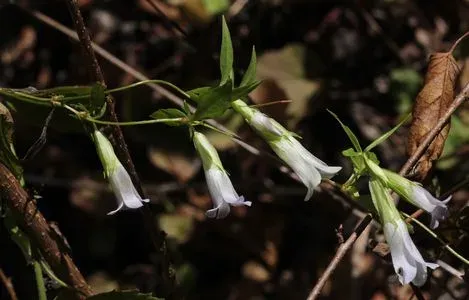
Description
Growing requirements
Pterygocalyx volubilis is a climbing perennial herbaceous plant belonging to the Gentianaceae family. It is distinguished by its ability to twine around supporting structures, which is an evolutionary adaptation to competitive forest habitats.
This species is native to East Asia, with populations occurring in the Russian Far East, China, and Japan. It thrives in humid environments, such as forest edges and riverbanks, where the soil remains consistently moist.
Botanically, the plant is characterized by its distinct, winged calyx structures, which provide its scientific name. These structures play a role in the protection of reproductive organs during the early stages of development.
Regarding soil requirements, it prefers nutrient-rich, loamy, or slightly sandy substrates. The soil must be well-drained to prevent the accumulation of water, which is detrimental to the plant's delicate root system.
Climatic adaptability is focused on moderate temperatures and high humidity. It does not perform well in arid, high-temperature regions, as excessive heat and lack of moisture lead to immediate wilting and physiological stress.
Main diseases and pests
The primary threats to Pterygocalyx volubilis involve soil-borne pathogens, particularly fungi that cause root rot during periods of waterlogging or inadequate soil drainage.
Foliar diseases, including powdery mildew and various spot blights, represent significant risks when the plant is grown in areas with poor airflow and high humidity levels.
Pest pressure from aphids and mites can be problematic, particularly in protected or greenhouse environments, requiring monitoring during the peak growth season.
Proper plant spacing is essential to mitigate these threats, as it promotes adequate aeration and light penetration, reducing the likelihood of fungal colonization.
Maintaining balanced nutrient levels, particularly avoiding excessive nitrogen, helps to keep the foliage strong and more resistant to typical garden pests and diseases.