
Mexican Pterostemon
Pterostemon mexicanus
Description
Growing requirements
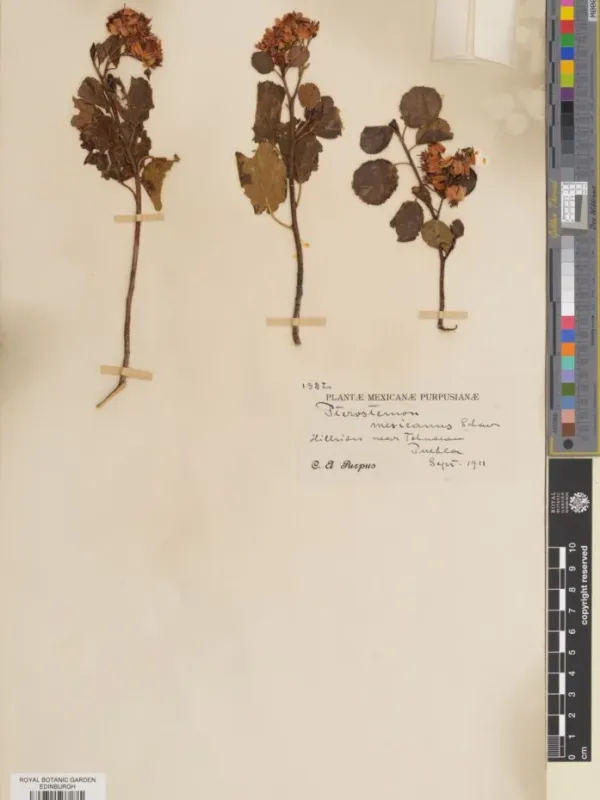
Mexican Pterostemon (Pterostemon mexicanus) is a unique shrub species belonging to the Pterostemonaceae family. Native to Mexico, this plant is known for its distinct botanical features and its status as a rare specimen in ornamental gardening.
The natural habitat of the species includes arid slopes and rocky terrains in subtropical regions. It has adapted to withstand periodic water shortages, making it a relatively drought-tolerant plant once it becomes well-established in the landscape.
Optimal growth is achieved in well-draining, sandy-loam soils with a neutral pH. It is essential to ensure that the site has excellent drainage, as the roots are highly susceptible to rot if exposed to waterlogged conditions for extended periods.
The plant thrives in full sun, which is necessary to encourage vigorous growth and flower production. Shade exposure should be avoided to prevent leggy growth patterns and to ensure the plant maintains its structural integrity and health.
Maintenance includes light pruning during the dormant season to remove dead or diseased wood. Fertilizer application should be conservative, as the species is adapted to nutrient-poor soils in its native environment; over-fertilization can lead to weak, rapid growth.
Main diseases and pests
The primary threats to Pterostemon mexicanus are fungal pathogens that thrive in humid or poorly ventilated environments. Root rot and leaf spot are the most common issues that growers must monitor through regular visual inspections of the foliage and root collar.
Insect pests such as aphids and spider mites may infest the plant, particularly during hot and dry spells. These pests can cause significant leaf damage, necessitating the use of horticultural soaps or specific insecticides to manage populations effectively.
Proper spacing between individual plants is a critical preventive measure against the rapid spread of infections. Ensuring adequate airflow helps keep the canopy dry, which significantly reduces the probability of mold or mildew outbreaks.
Soil-borne pests can also impact the root system, potentially causing stunted growth or decline. Incorporating organic matter into the soil and maintaining a healthy moisture regime can help improve the plant's natural resistance to these pressures.
In cases of severe infestation or disease, affected parts should be pruned and disposed of away from the main planting area. Maintaining hygiene in the garden is essential for preserving the health and longevity of this exotic shrub species.