
Pterisanthes cissioides
Pterisanthes cissioides
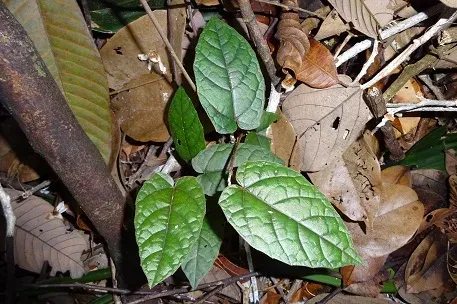
Description
Growing requirements
Pterisanthes cissioides is a woody climber belonging to the Vitaceae family. It is native to the tropical forests of Southeast Asia and India, where it thrives under the forest canopy.
The plant requires a high-humidity environment and consistent warm temperatures, ideally between 22°C and 28°C. It does not tolerate cold drafts or extreme temperature fluctuations.
For successful growth, Pterisanthes cissioides needs well-draining, nutrient-rich soil. Adding organic compost or leaf mold helps replicate its natural forest floor habitat and ensures better growth.
As a climbing vine, this species requires sturdy vertical supports to reach its full potential. It grows best in bright, filtered light rather than harsh direct sunlight.
Cultivation is primarily for botanical interest and ornamental purposes. Its unique, ribbon-like fleshy inflorescences make it a standout specimen in any greenhouse collection.
Main diseases and pests
Fungal diseases are the most common issue for this plant, often triggered by overwatering or poor drainage. Root rot can quickly destroy the plant if not managed immediately.
Spider mites are a significant pest, especially in environments where humidity levels are not properly maintained. Regular misting can help prevent their colonization.
Scale insects may infest the stems of the vine, sapping vitality. Systemic insecticides are recommended for effective control when physical removal is not sufficient.
Aphids can target new vegetative growth, causing leaves to curl and stunt. Early detection and application of mild insecticidal soaps are usually sufficient to clear the infestation.
Nutrient deficiency symptoms, such as interveinal chlorosis, should be addressed with balanced liquid fertilizers. Maintaining a stable pH level in the soil is crucial for nutrient absorption.