
Pseudokirchneriella
Pseudokirchneriella
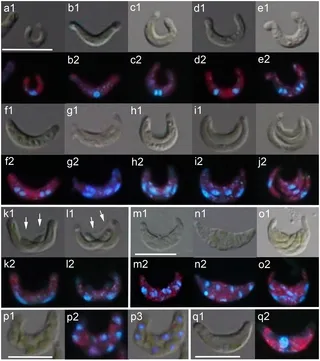
Description
Growing requirements
Pseudokirchneriella is a genus of unicellular green microalgae belonging to the family Selenastraceae. While not a traditional field crop, it is a significant organism in modern biotechnology and environmental testing.
The cultivation of this genus requires a nutrient-rich aqueous medium, typically containing nitrogen, phosphorus, and essential trace minerals. Maintaining a stable pH level, usually between 7.0 and 8.5, is vital for metabolic efficiency.
Optimal growth occurs within a specific temperature range, typically from 20°C to 25°C. Consistent thermal management is necessary to avoid physiological stress and to support rapid cellular division.
Aeration and mechanical stirring are fundamental to the culture process. These actions prevent the cells from settling to the bottom and ensure an even distribution of light and nutrients for all cells in the bioreactor.
Pseudokirchneriella is highly sensitive to water quality. The presence of herbicides, heavy metals, or pollutants in the culture medium can cause rapid cell death and a total collapse of the microbial population.
Yield
The yield of Pseudokirchneriella is measured in terms of dry biomass weight produced per liter of culture volume per day. Productivity is heavily dependent on the type and sophistication of the photobioreactor system used.
Closed photobioreactor systems allow for higher cell density and better control over environmental factors. This maximizes the conversion efficiency of light energy into cellular biomass.
Light intensity management allows for the regulation of biochemical accumulation, such as proteins or lipids. By adjusting the light cycle, operators can customize the final quality of the harvested biomass.
Harvesting is typically performed using centrifugation or filtration processes. High-efficiency harvesting systems ensure that the biomass retains its nutritional and chemical integrity after removal from the medium.
To maintain peak productivity, it is crucial to avoid culture over-density, which can lead to light-limiting self-shading. Maintaining an optimal cell concentration ensures steady daily outputs of biological material.
Main diseases and pests
The primary threat to culture stability is contamination by other microalgae or protozoa. Invasive species can quickly outcompete Pseudokirchneriella for resources, leading to the contamination of the entire bioreactor.
Viral infections represent a severe risk to mass culture production. A single outbreak can cause massive cell lysis, requiring stringent sterilization protocols to protect the production infrastructure.
Bacterial pathogens often produce toxins that negatively impact algal growth. Proactive sterilization of the water supply and nutrient solutions is essential to prevent bacterial blooms.
Sudden fluctuations in light intensity can induce photoinhibition, which damages the photosynthetic apparatus of the algae. This results in decreased growth rates and reduced overall yield.
Nutrient imbalance is a common cause of yield failure. Regular monitoring and precise dosing of the medium are required to prevent the culture from entering a stagnant phase prematurely.