
Pseudoarabidopsis toxophylla
Pseudoarabidopsis toxophylla
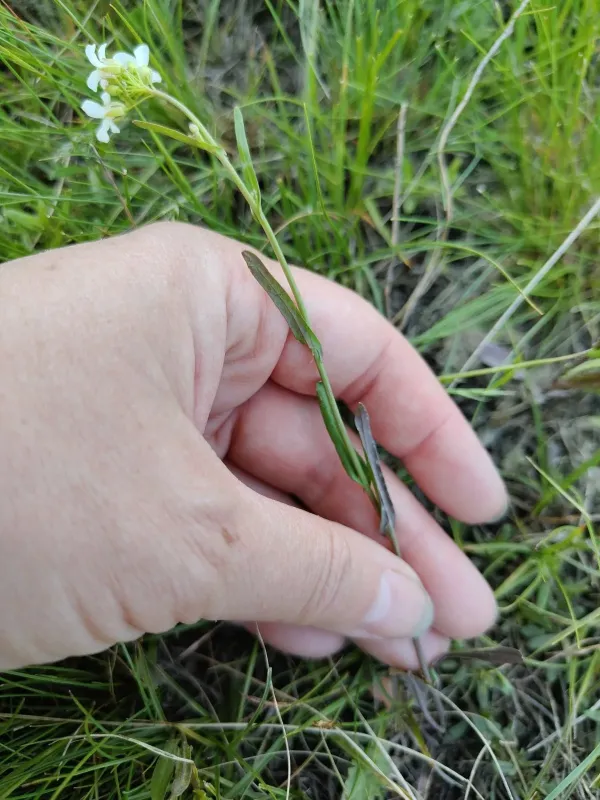
Description
Growing requirements
Pseudoarabidopsis toxophylla is a representative of the Brassicaceae family. It is a herbaceous plant that attracts scientific interest primarily due to its specific botanical traits and its presence in the flora of Central Asia and arid regions.
The plant is native to regions with harsh climates, including Mongolia and neighboring territories. It has evolved to thrive in environments where extreme temperatures and moisture deficits are the limiting factors for vegetation growth.
Regarding soil requirements, the species prefers well-drained, porous soils. It exhibits high tolerance to alkalinity and can inhabit sandy or gravelly soils, demonstrating a clear adaptation to impoverished and unstable ground conditions.
Botanically, it is characterized by its rosette growth phase and subsequent reproductive stage. The plant possesses specialized secondary metabolites, which serve as a defense mechanism against herbivory but also define its classification as potentially toxic.
Agricultural management of this plant involves understanding its phenology. As it is often considered a spontaneous plant in cropping systems, researchers focus on managing its spread to ensure the safety of surrounding pastures and forage crops.
Main diseases and pests
The plant is susceptible to common cruciferous pests such as flea beetles, which primarily target young leaves. Early detection is essential, as heavy infestation can significantly suppress plant development during the initial stages.
Fungal diseases, including downy mildew and various types of blights, represent a notable risk. These conditions are typically favored by periods of high humidity, which can be mitigated through proper site selection and spatial management.
Proactive management of pests and diseases relies on monitoring the environmental conditions. Integrated pest management strategies are applied to ensure that the plant does not act as a reservoir for diseases affecting other crops.
Soil-borne pathogens are often managed through crop rotation strategies. Ensuring adequate soil aeration and minimizing waterlogging helps to prevent the onset of root-related issues that could compromise the plant's structural integrity.
Constant observation of the plant's health allows for timely interventions. By maintaining optimal plant health through balanced nutrient management, the risk of significant damage from pests and diseases can be effectively contained.