
Psathura borbonica
Psathura borbonica
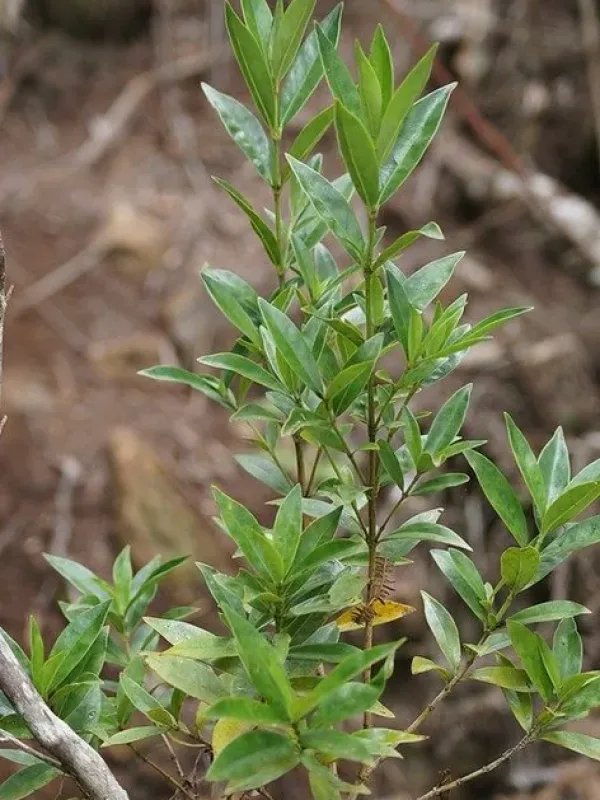
Description
Growing requirements
Psathura borbonica is a woody plant belonging to the Rubiaceae family. Native to the western Indian Ocean islands, particularly Réunion, it thrives in the unique microclimates provided by indigenous tropical forests.
Botanically, it presents as an evergreen shrub or small tree. Its leaves are arranged oppositely, and it produces small, clustered flowers characteristic of the coffee family, reflecting its evolutionary adaptation to island ecosystems.
The cultivation requirements for this species are centered around stable tropical conditions. It demands high humidity levels and well-draining, nutrient-rich soil that mimics the organic matter found on the forest floor of its native range.
Temperature management is critical, as Psathura borbonica lacks tolerance for frost or extreme dry heat. Providing a sheltered environment with filtered sunlight is essential for ensuring healthy vegetative growth and development.
From an agricultural and horticultural perspective, this species is primarily cultivated for its rarity and botanical significance. It requires a specialized approach, often maintained in botanical conservatories to study its unique growth patterns and resilience.
Main diseases and pests
Fungal diseases represent a significant threat to Psathura borbonica, particularly when the plants are housed in poorly ventilated areas. Leaf spots and mildew can quickly compromise the health of the foliage if humidity levels are not properly managed.
Scale insects and mealybugs are the most common pests encountered in the cultivation of this species. These insects thrive on the undersides of leaves and along stems, feeding on vital sap and causing stunted development.
Spider mites can become a major concern if the cultivation environment becomes too dry. These pests cause a mottled appearance on the leaves and can lead to rapid desiccation of the plant tissue if not controlled early.
Root rot is frequently associated with poor drainage or overwatering practices. Implementing a strict watering schedule based on soil moisture levels is necessary to maintain the integrity of the root system against soil-borne pathogens.
Integrated pest management strategies are recommended, including the use of targeted horticultural oils and systemic fungicides. Regular inspection of the plant canopy is vital to identify and address infestations before they spread.