
Psammogeton involucratus
Psammogeton involucratus
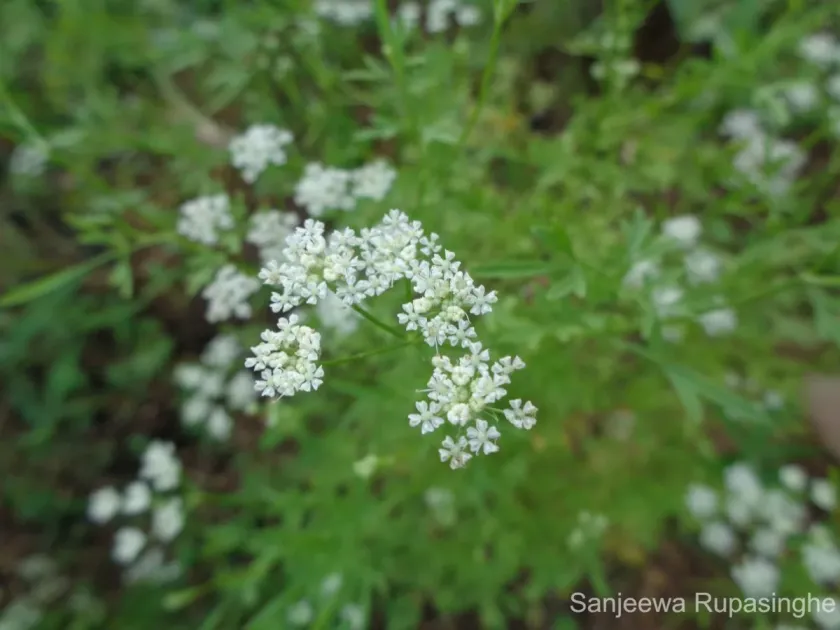
Description
Growing requirements
Psammogeton involucratus is an annual herbaceous plant belonging to the Apiaceae family. It is recognized for its unique botanical structure, which is typical of the carrot family, featuring delicate foliage and complex umbrella-shaped inflorescences.
The plant originates from the arid regions of Central and Middle Asia. Due to its evolutionary adaptation, it is highly resilient to drought conditions and thrives in environments where other moisture-loving crops struggle to survive.
Soil requirements for Psammogeton involucratus focus primarily on light, sandy, or loamy textures. High permeability is essential to prevent root rotting, as the plant is extremely intolerant to waterlogged soils.
Climatic requirements involve high solar radiation and stable temperatures throughout the growing season. The plant requires significant heat to reach its full vegetative potential and to optimize the synthesis of essential oils.
Economically, the crop is valued for its potential in the pharmaceutical and fragrance industries. The essential oils derived from its seeds and biomass are the primary products of interest for agricultural producers.
Main diseases and pests
Fungal pathogens represent the most significant threat to the crop, especially under conditions of high relative humidity or poor field drainage. Common issues include root rot and mildew, which can decimate seedling populations.
Insect pests that target the inflorescences are particularly damaging during the flowering stage, as they directly reduce the seed yield. Regular monitoring is necessary to identify infestations of aphids or spider mites early.
Crop management should prioritize a rigorous rotation strategy to avoid the buildup of soil-borne diseases. This traditional method significantly mitigates the risk of recurring infection in the same field area.
Weed control is vital, especially during the early growth stages when the plant is establishing its root system. Mechanical weeding between rows ensures that resources are directed toward the crop rather than invasive plants.
When chemical intervention is required, the use of selective fungicides and insecticides should follow strict agricultural regulations. Sustainable practices are encouraged to ensure the longevity of the soil and the purity of the essential oil output.