
Przewalskia tangutica
Przewalskia tangutica
Description
Growing requirements
Przewalskia tangutica is a perennial herbaceous plant belonging to the Solanaceae family. Native to the high-altitude regions of the Tibetan Plateau, it thrives in harsh mountain environments at elevations ranging from 3,200 to 5,000 meters above sea level.
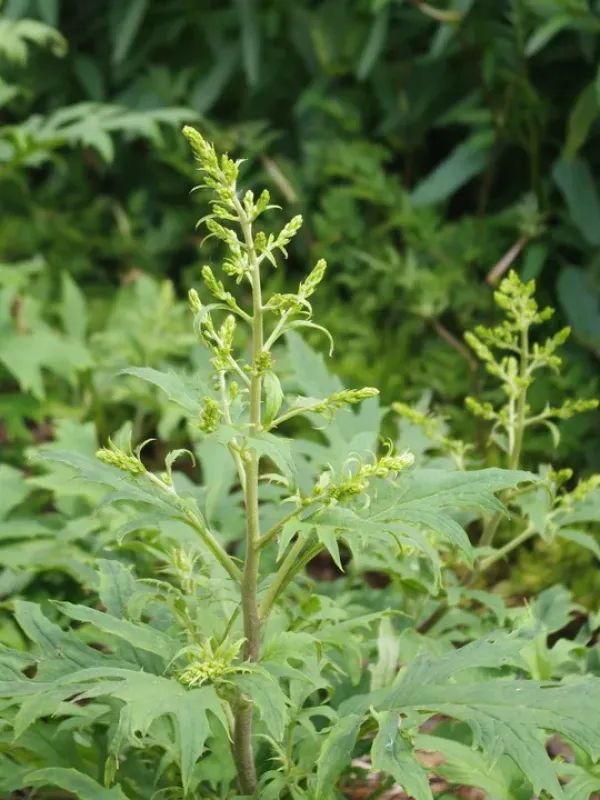
The plant exhibits significant botanical adaptations to extreme cold and intense UV radiation. It features a robust taproot system designed to anchor the plant in loose, stony, and nutrient-poor soils, while its rosette-shaped leaves minimize wind exposure and evaporation.
In terms of agricultural requirements, this crop demands a very specific microclimate. Successful cultivation relies on well-draining, sandy-gravelly substrates that mimic the natural high-altitude environment. Excessive moisture is detrimental, leading to rapid degradation of the plant's physiological functions.
The agronomic management of this species involves careful monitoring of water supply and soil structure. Because it is naturally adapted to high-light environments, artificial shading or lack of adequate light can significantly inhibit the accumulation of its secondary metabolites.
The economic value of this crop is primarily pharmaceutical. It is highly valued for the extraction of alkaloids, which are potent compounds utilized in traditional medicine systems to address a variety of ailments related to digestion and the nervous system.
Main diseases and pests
The main threats to the plant's health are fungal pathogens that thrive in damp, stagnant soil conditions. These infections typically target the taproot, which is the most sensitive part of the plant when cultivated outside of its arid natural habitat.
Insects and soil-dwelling larvae represent the primary pest risk. If grown in lower altitudes or greenhouses, the plant becomes more susceptible to common greenhouse pests such as aphids, which can quickly compromise the foliage and overall vigor of the crop.