
Azores cherry
Prunus azorica
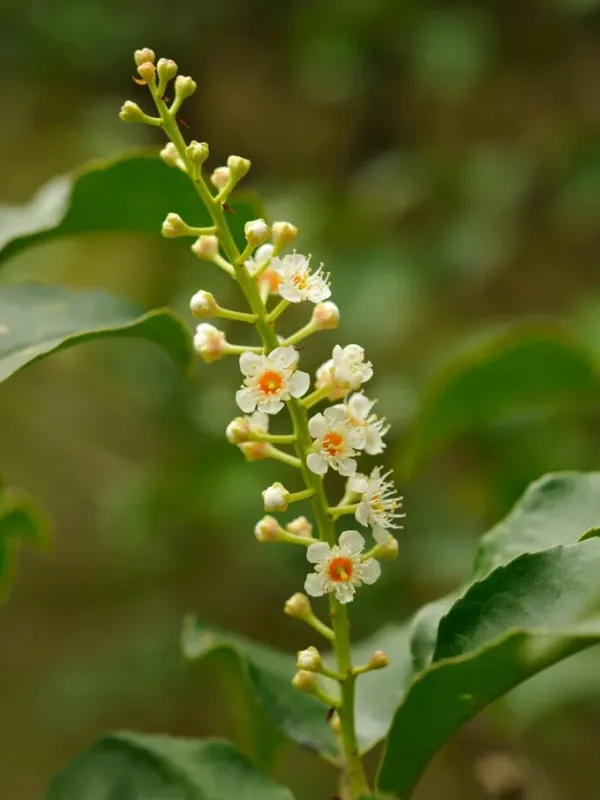
Description
Growing requirements
The Azores cherry (Prunus azorica) is a distinct species belonging to the Rosaceae family. It is a small tree or shrub that serves as an important component of the endemic flora found on the Azores archipelago.
This species is native to the laurel forests (laurisilva) of the Azores. It thrives in humid, shaded environments and is highly adapted to the oceanic climate characterized by mild temperatures and frequent rainfall throughout the year.
For successful growth, this plant requires deep, well-draining soil that is rich in organic matter. It prefers slightly acidic conditions typical of the volcanic soils found within its natural island habitat.
The Azores cherry is not utilized for industrial agriculture; rather, it is valued for its contribution to biodiversity and as a specialized plant species for conservationists and botanical gardens.
The cultivation of this plant requires meticulous management of humidity levels and protection from excessive solar radiation, which can dehydrate the leaves and weaken the young saplings.
Main diseases and pests
The primary threat to the Azores cherry is the loss of its natural forest habitat, largely driven by the encroachment of invasive plant species that outcompete native vegetation.
Like many members of the Prunus genus, the species can be susceptible to various fungal pathogens that flourish in high-humidity conditions, potentially causing leaf spot or branch dieback.
Common horticultural pests, such as aphids and spider mites, may infest the foliage, particularly if the plant is grown in stressed conditions or outside its native climatic range.
Small, fragmented populations are highly vulnerable to localized environmental shifts, including prolonged drought periods that can significantly alter the health of the species.
Ongoing climate change poses a long-term risk to the survival of this endemic shrub, making monitoring and habitat protection the most critical aspects of its management.