
Prolongoa hispanica
Prolongoa hispanica
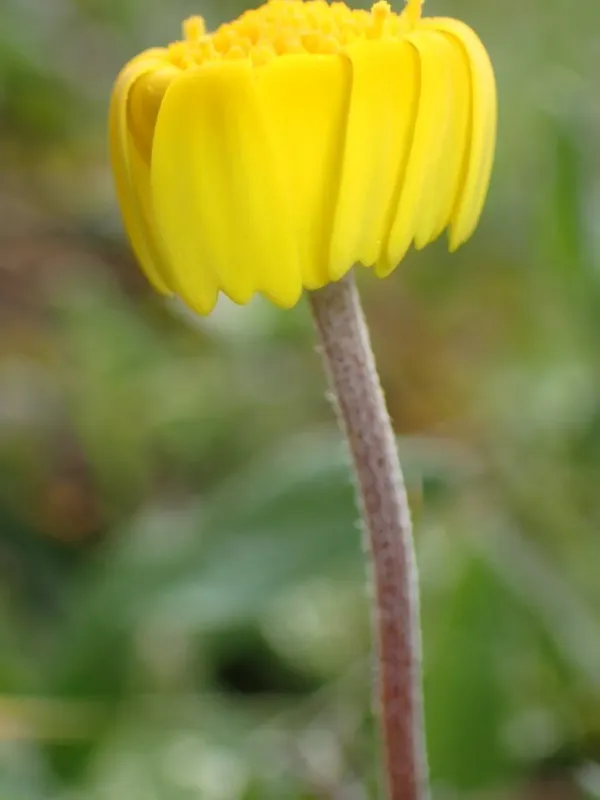
Description
Sowing dates
Prolongoa hispanica is an annual herbaceous plant belonging to the Asteraceae family. Understanding its biological rhythm is key to ensuring successful germination and crop establishment.
Sowing should be performed when soil temperatures are consistently above 10-12 degrees Celsius. This ensures the seeds have enough energy to break dormancy and emerge efficiently.
Seed depth should be carefully controlled, ideally planted at 1-2 centimeters. Proper soil contact is necessary for moisture absorption and consistent growth across the field.
Optimal plant density is recommended to avoid excessive competition for nutrients and sunlight. Providing each plant with adequate space is essential for uniform development.
Mechanical seeding is the preferred method for large-scale operations. It allows for consistent depth and spacing, which simplifies all subsequent crop management tasks.
Growing requirements
The plant requires full sun exposure for optimal photosynthesis. It is a light-demanding species, and even partial shade can lead to poor development and lower overall yields.
Well-drained, fertile, and light soil textures, such as sandy loams, are ideal. Proper soil aeration is critical to prevent root diseases and encourage vigorous growth.
While the crop is moderately drought-tolerant, consistent moisture is necessary during the vegetative and flowering stages to ensure high-quality production.
Nutrient management should be based on soil tests. Providing a balanced ratio of essential elements promotes healthy plant structure and robust flowering.
Maintaining a clean field environment is important. Preventing weed competition during the early stages of development significantly impacts the final biomass yield.
Main diseases and pests
Fungal diseases are the primary threat, especially in humid conditions. Managing airflow within the canopy and avoiding excessive irrigation are effective preventive strategies.
Insect pests, including aphids, can negatively affect plant health. Monitoring these populations is vital, as they can transmit viral diseases or cause direct damage to foliage.
Integrated Pest Management (IPM) practices should be implemented. This includes crop rotation and encouraging natural predators to maintain pest populations below economic thresholds.
Regular field scouting is essential to identify threats early. Early detection allows for targeted treatments, which are more environmentally friendly and cost-effective.
In cases of severe infestation, use registered pesticides while strictly adhering to application intervals to protect both the crop and the surrounding environment.
Harvesting
Harvesting should be timed based on the maturity of the seed heads. The goal is to maximize yield while minimizing losses due to shattering or environmental conditions.
The harvest method, whether manual or mechanized, must ensure the integrity of the seeds. Gentle handling is necessary to maintain high market standards for the final product.
Post-harvest processing involves immediate drying to reduce seed moisture content to safe levels. This prevents microbial degradation and preserves viability for storage.
Storage facilities should maintain cool and dry conditions. Proper ventilation is needed to ensure long-term stability and to prevent the build-up of heat or moisture.
Final cleaning and grading are the last steps in the production cycle, ensuring that only high-quality seeds are sent to market or stored for the next season.